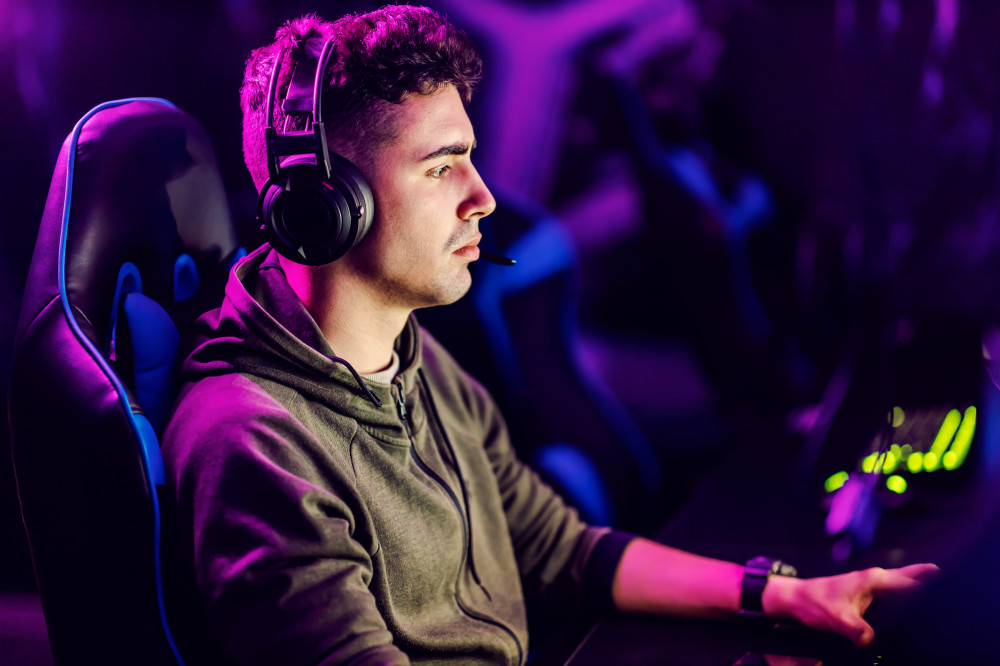
Create a Positive Gaming Culture in the Community


Create a Positive Gaming Culture in the Community
Gaming can be an exciting and social activity when it happens in a healthy environment. Whether it’s video games, fantasy sports, tabletop games, or online betting, it’s important to build a culture where gaming is about fun and connection—not stress, financial strain, or conflict. A positive gaming culture is built on respect, responsibility, and openness. Here’s how you and your community can help promote healthy gaming habits.
Gaming as a Shared Experience – Not Just About Winning
When gaming becomes part of a community, it can strengthen friendships and create memorable experiences. But that only happens when the focus isn’t solely on winning. Instead, think of gaming as a social activity where the main goal is enjoyment and teamwork—not the final score.
Talk openly about why you play. Is it for fun, to relax, or to challenge yourself? When everyone understands their motivation, it’s easier to keep gaming in balance. It can also help to agree on some shared guidelines—like how often you play, how much time or money you spend, and how you handle competition.
Læs også:



Set Boundaries – and Respect Them
A key part of a positive gaming culture is knowing your limits—both in time and money. Many gaming platforms and apps now offer tools to set spending caps, time limits, or reminders to take breaks. Use them to stay in control.
In gaming groups, it’s also important to talk about boundaries. If someone wants to take a break or step back, that choice should be respected. This builds trust and shows that the community values well-being over pressure or performance.
Talk About Gaming – Even When It’s Difficult
For most people, gaming is a harmless hobby. But for some, it can become overwhelming or even problematic. That’s why it’s important to create an environment where people can talk openly about their gaming habits—especially when things aren’t going well.
If you notice a friend or teammate spending more time or money than they can afford, or showing signs of stress or frustration, start a calm conversation. The goal isn’t to judge, but to show care. Many people who struggle with gaming feel ashamed or isolated, so a supportive talk can make a big difference.
There are also professional resources available in the U.S., such as the National Problem Gambling Helpline (1-800-GAMBLER) and mental health support lines. Knowing about these options—and sharing them—can help those who need extra support.
Keep Gaming in Balance with Other Activities
A healthy gaming culture is also about balance. Gaming should be one of many enjoyable activities—not the only one. Make sure your community also spends time on other interests: sports, cooking, movies, outdoor activities, or volunteering. This helps keep gaming in perspective and ensures relationships aren’t built solely around wins and losses.
Some people find it helpful to plan “game-free” days or weekends to focus on other experiences. Taking breaks can refresh your perspective and help you enjoy gaming more when you return to it.
The Community’s Role – Responsibility and Support
A community that takes responsibility for its gaming culture can help prevent problems before they start. It’s about creating an atmosphere where people look out for one another and talk openly about their experiences. This can happen in a friend group, a workplace, a gaming club, or an online community.
Consider setting shared principles for how you play together—for example, that no one should feel pressured to participate, and that gaming should always respect personal limits. When the community takes responsibility, it becomes easier for everyone to play mindfully and enjoyably.
A Culture Built on Joy and Respect
Ultimately, creating a positive gaming culture is about keeping the joy in gaming. When games are played in a safe, respectful environment—with focus on fun and connection rather than competition or profit—they become a source of friendship and entertainment, not worry.
By talking openly, setting boundaries, and supporting one another, we can all help ensure that gaming remains what it’s meant to be: a fun, social activity that brings people together.
Læs også: