Dynamic Odds: How Artificial Intelligence Creates More Realistic Markets


Dynamic Odds: How Artificial Intelligence Creates More Realistic Markets
As artificial intelligence (AI) becomes a driving force across industries, the sports betting world in the United States is undergoing a quiet revolution. Where odds were once set by seasoned bookmakers relying on statistics, intuition, and experience, they are now increasingly shaped by algorithms that process massive amounts of data in real time. The result is a more dynamic, data-driven marketplace—one that feels more realistic, but also more complex.
From Gut Feeling to Machine Learning
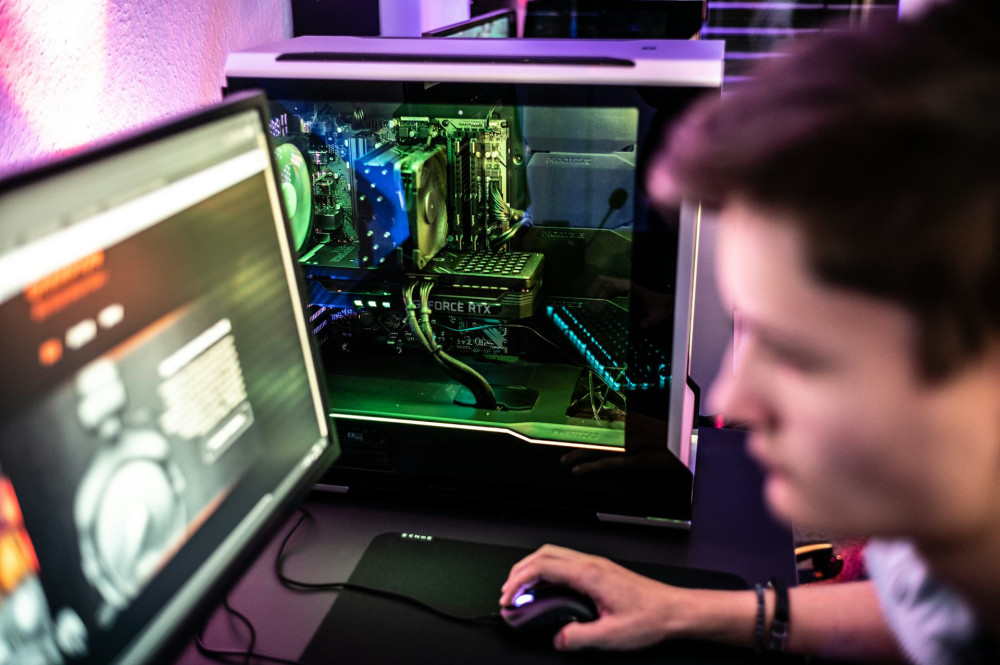
Traditionally, oddsmakers built their lines using historical results, expert analysis, and market movement. But with the rise of AI, the process has become far more sophisticated. Machine learning models can now account for thousands of variables: player performance metrics, weather conditions, injuries, travel schedules, social media sentiment, and even microdata such as possession rates or sprint distances.
These systems continuously learn from new information, automatically adjusting odds as conditions change. That means markets react faster than ever before—and in many cases, they reflect the true probability of an outcome more accurately than human judgment alone ever could.
Læs også:




Live Odds in Constant Motion
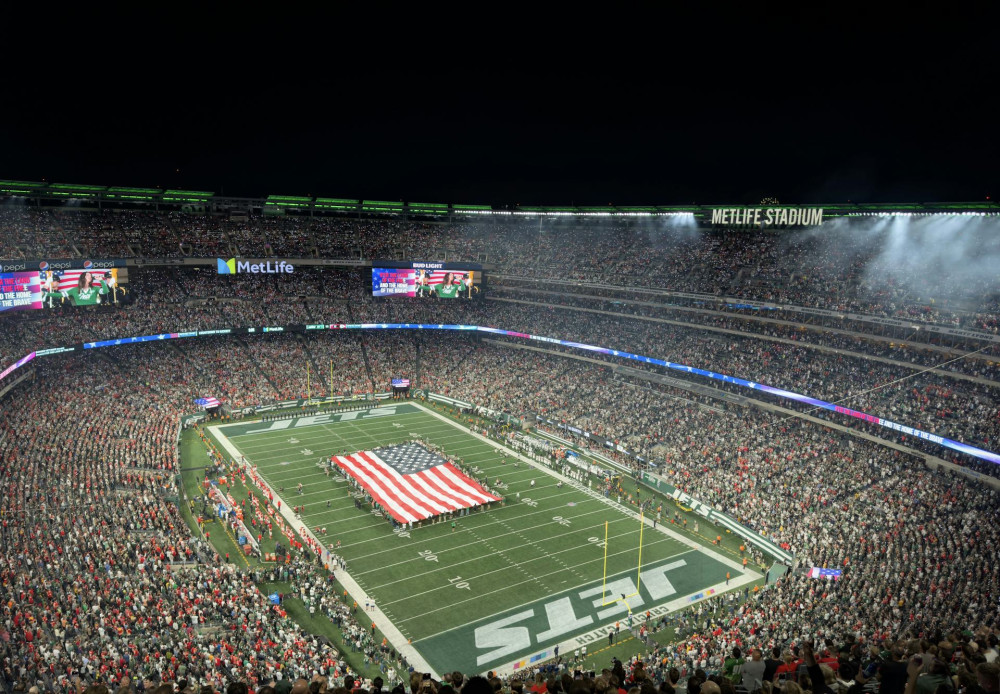
One of the most visible effects of AI’s influence is the evolution of live betting. During an NFL game, for example, algorithms can update odds second by second based on what’s happening on the field. A turnover, a key injury, or a sudden shift in momentum can instantly alter the probabilities—and therefore the odds offered to bettors.
For players, this creates a more engaging, real-time experience. For sportsbooks, it enables more efficient risk management, as automated systems balance wagers and exposure dynamically to minimize losses.
AI as a Tool—Not a Replacement
Despite the growing sophistication of algorithms, human expertise remains essential. Traders and analysts still monitor the systems, fine-tune the models, and step in when data doesn’t tell the full story. Factors like locker-room tension, motivation in a late-season game, or psychological pressure are difficult to quantify but can be decisive.
That’s why most U.S. sportsbooks view AI as a powerful tool that complements human judgment rather than replaces it. The combination of data-driven precision and human intuition ultimately produces the most realistic and balanced markets.
A More Transparent Market—With New Challenges
For bettors, the rise of AI brings both advantages and challenges. On one hand, more accurate odds make the market fairer and less prone to manipulation. On the other, it’s becoming harder to find “value bets”—those rare moments when a bookmaker’s line underestimates a team or player.
AI also raises questions about transparency and fairness. How do algorithms make their decisions? And how can regulators ensure that models don’t reinforce biases or exploit player behavior? As legal sports betting expands across the U.S., state regulators and industry groups are beginning to explore guidelines for responsible AI use in wagering.
The Future of Odds—Personalized and Predictive
The next frontier may be personalized odds. By analyzing a bettor’s history and preferences, AI could one day offer customized markets or recommendations. That opens exciting possibilities—but also ethical concerns about privacy, data use, and responsible gambling.
At the same time, AI is expected to improve its ability to predict rare or complex events, making markets more stable and reducing the risk of extreme fluctuations. As predictive models evolve, they could even help sportsbooks anticipate betting trends before they happen.
A New Era for the Betting Industry
Artificial intelligence has already transformed how odds are created and how bettors interact with them. What was once a craft rooted in human judgment is now a dynamic system of continuous calculation and adaptation. The result is a betting landscape that feels more realistic, more responsive, and more competitive than ever.
Ultimately, this evolution is about more than technology—it’s about trust. The better AI systems become at reflecting reality, the more credible and engaging the markets will be. In the end, the future of betting may lie in the balance between data and intuition, where human insight and machine intelligence work hand in hand.
Læs også: