Indoor vs. Outdoor: How Conditions Change the Game of Tennis

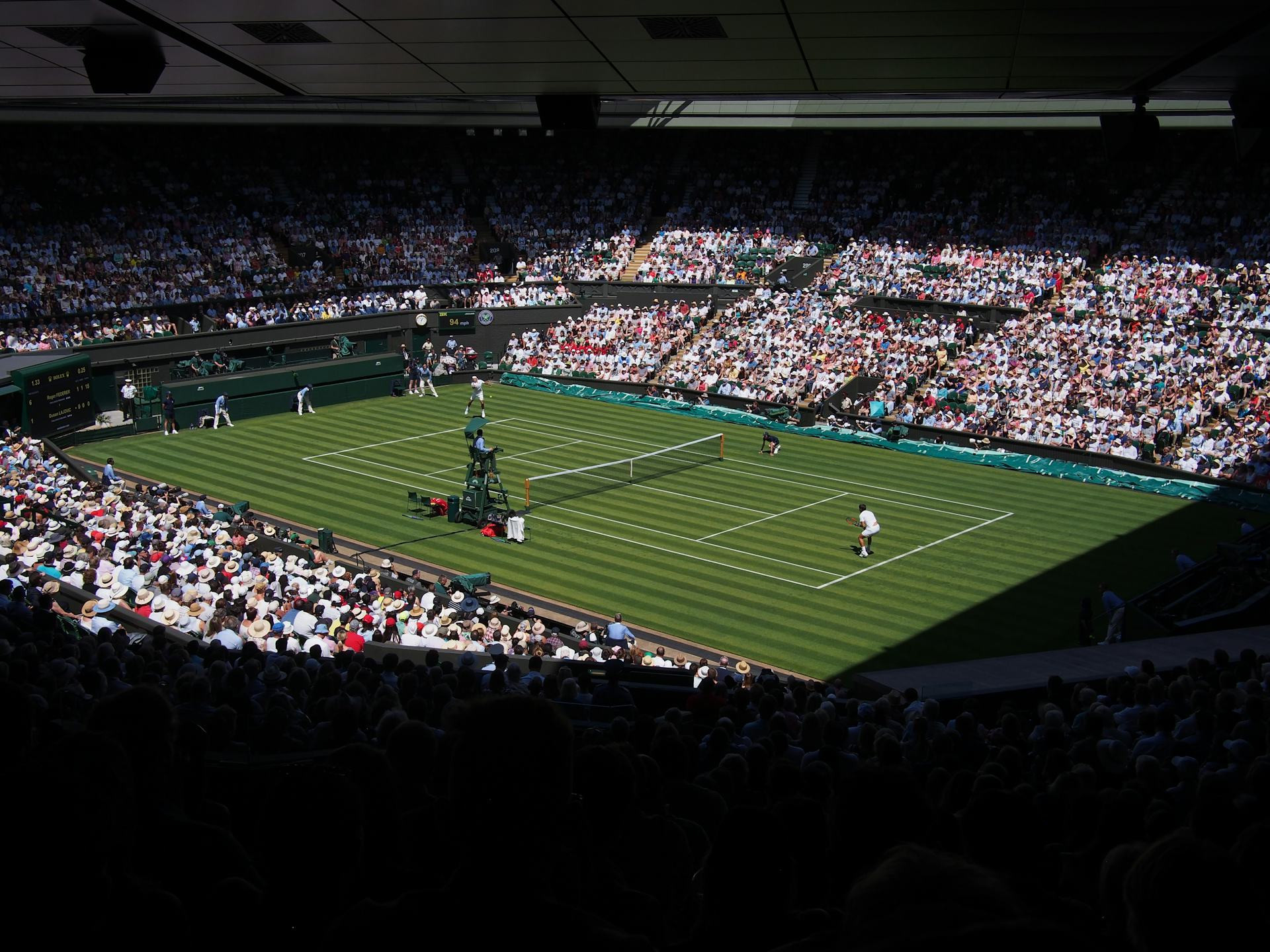
Indoor vs. Outdoor: How Conditions Change the Game of Tennis
For most tennis players, the difference between playing indoors and outdoors is far more than just a matter of having a roof overhead. The surface, lighting, wind, and temperature all influence everything from ball speed to player strategy and mental focus. Moving from an indoor court to an outdoor one—or vice versa—requires both technical and mental adjustment.
The Surface – The Foundation of the Game
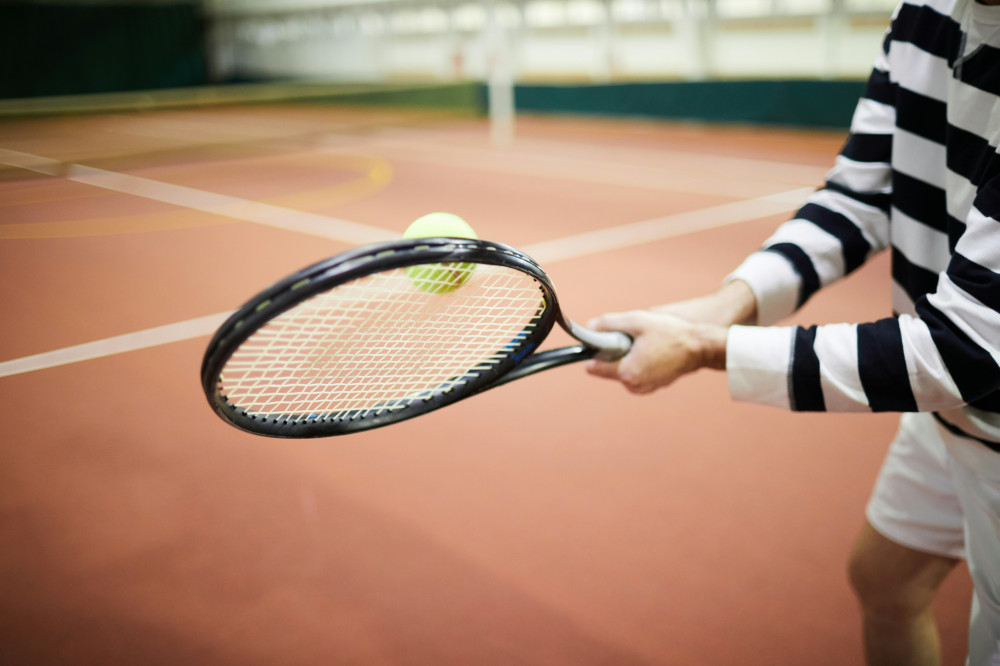
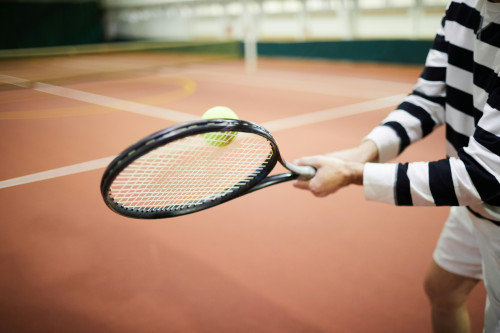
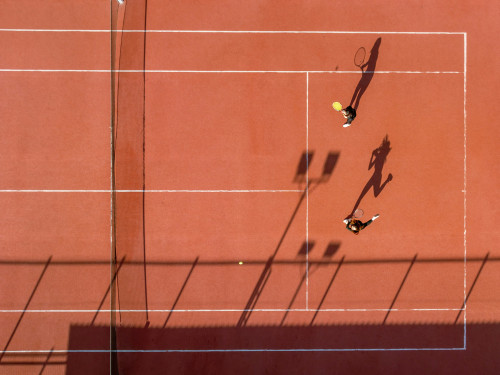
Indoor courts in the U.S. are most often hard courts, though some facilities still use carpet or other synthetic surfaces. These tend to be fast, with a low bounce that rewards aggressive players who rely on powerful serves and quick points.
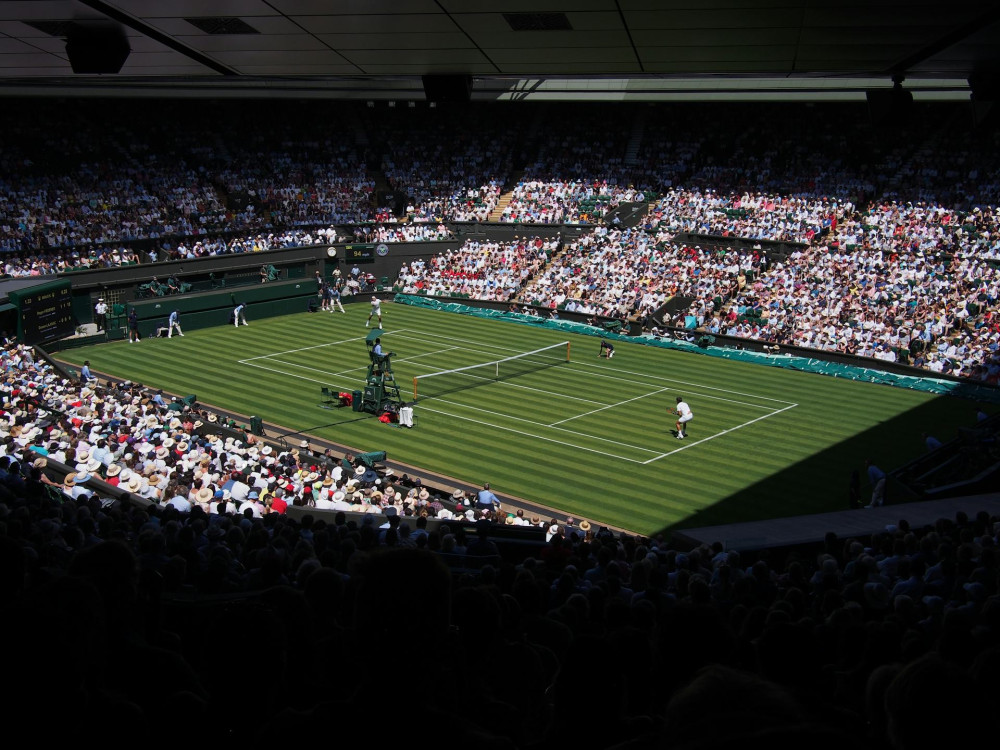
Outdoor courts, on the other hand, come in greater variety. Clay courts, common in warmer states like Florida or Texas, slow the ball down and produce a higher bounce, leading to longer rallies and a greater emphasis on patience and consistency. Grass courts, though rare outside of elite clubs or tournaments, are lightning-fast and demand quick reflexes and precise footwork. Even small differences in surface texture or maintenance can dramatically change the rhythm of play.
A player who dominates indoors with a big serve and flat groundstrokes may find it harder to control points on clay, where the ball grips the surface and gives opponents more time to react.
Weather and Wind – Nature’s Teammates
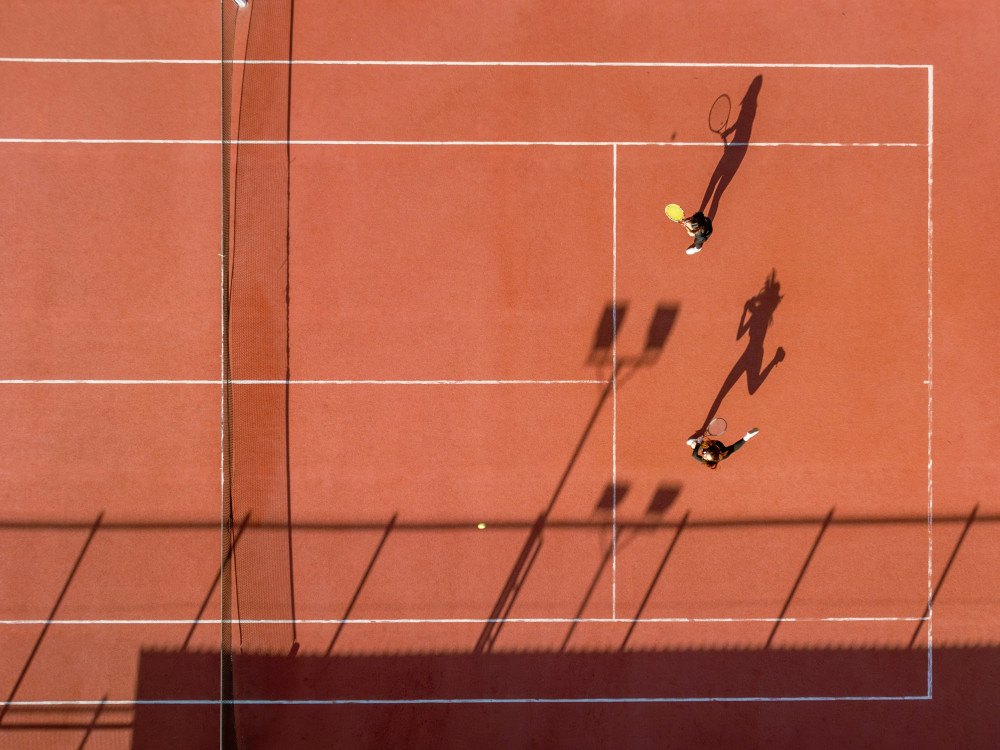
Outdoor tennis is unpredictable. Sun, wind, and temperature all play major roles. A light breeze can alter the ball’s flight, and the sun can interfere with a serve toss or visibility at key moments. Outdoor play is as much about adaptability as it is about technique.
Wind forces players to adjust both serve and shot selection. Hitting into the wind requires more power, while hitting with the wind demands extra control. On hot summer days, the ball bounces higher and travels faster; in cooler conditions, it feels heavier and slower. Humidity can also affect grip and stamina, especially in regions like the Southeast.
Indoors, conditions are constant—no wind, stable temperature, and uniform lighting. That consistency allows players to plan and execute shots with precision, which is why many feel more “in control” inside a facility.
Læs også:

Light and Sound – The Overlooked Factors
Indoor courts rely on artificial lighting, which can create glare or shadows, particularly on high lobs or overheads. The enclosed space also amplifies sound, making every hit and movement echo. Some players find that energizing; others find it distracting.
Outdoors, natural light changes throughout the day. A match that begins in bright sunshine may end under fading light, requiring adjustments in timing and focus. The environment also adds its own soundtrack—wind in the trees, birds, or nearby traffic—all of which can subtly affect concentration.
Tactics and Mindset
Indoor tennis is often about speed and precision. The serve becomes an even more powerful weapon, and points tend to be shorter. Players who can take control early in the rally usually have the upper hand.
Outdoor tennis rewards patience and adaptability. Building points, varying pace, and exploiting opponents’ mistakes become key strategies. Mentally, players must accept that external factors—like wind gusts or uneven bounces—can influence the outcome of a rally. The best outdoor competitors stay calm and flexible, adjusting their game rather than fighting the conditions.
Many professionals describe the outdoor season as the ultimate test of a complete game. It challenges not only skill but also resilience and focus.
From Roof to Sky – How to Adapt Your Game
If you switch between indoor and outdoor play, a few adjustments can make a big difference:
- Refine your footwork: Outdoor courts, especially clay, require more movement and sliding, while indoor play demands quick, sharp changes of direction.
- Practice serving in the wind: Learn to use the breeze to your advantage instead of battling against it.
- Build endurance and patience: Outdoor rallies often last longer—focus on consistency rather than quick winners.
- Pay attention to the bounce: The ball reacts differently depending on surface and temperature, so adjust your timing accordingly.
Mastering both environments makes you a more complete player—and deepens your appreciation for the sport’s many nuances.
Two Worlds, One Game
While tennis remains the same sport in name, the environment transforms it completely. Indoors, it’s about precision and control; outdoors, it’s about adaptability and endurance. The best players are those who can transition seamlessly between the two worlds—and find their rhythm whether the ball flies under a roof or beneath an open sky.
Læs også: