Venue and Judges: Hidden Factors in Boxing Betting


Venue and Judges: Hidden Factors in Boxing Betting
When people talk about betting on boxing, the focus usually falls on the fighters — their form, power, technique, and past performances. But behind those obvious factors lie subtler influences that can shape the outcome of a bout — and, by extension, the odds. Two of the most overlooked elements are the venue and the judges. They can quietly sway the atmosphere, the scoring, and ultimately the result.
Home Advantage – More Than Just the Crowd
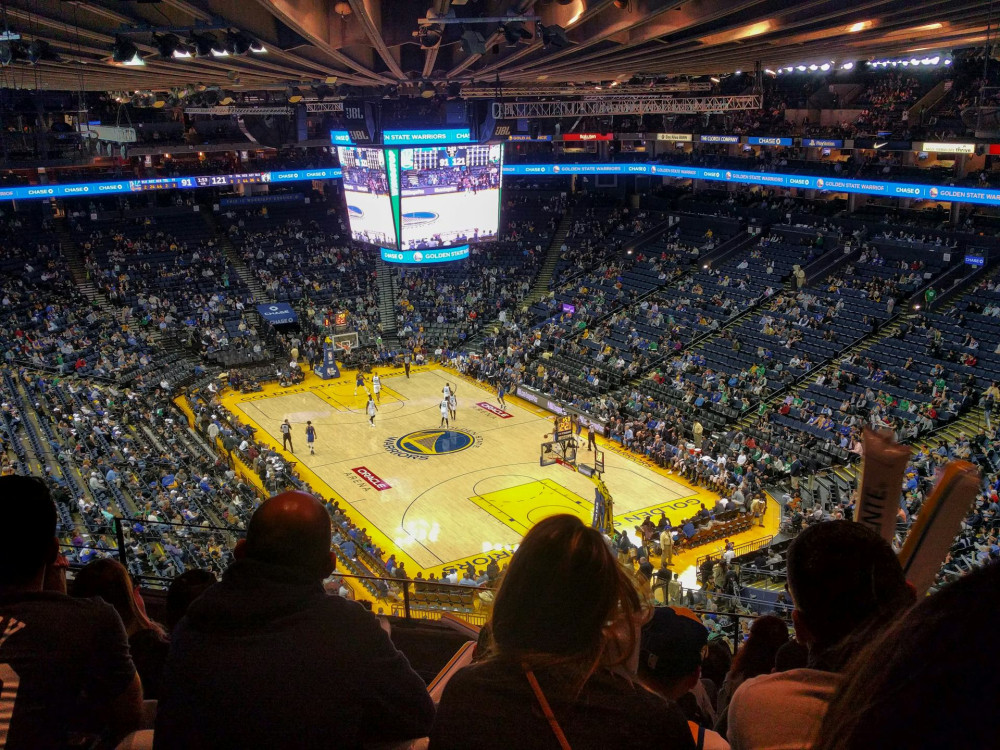
In most sports, home advantage is a well-known concept, and boxing is no exception. When a fighter competes in their home city — or even just on home soil — it can provide a psychological boost. The crowd cheers every punch, reacts to every exchange, and creates an energy that can influence both the boxer and the judges.
Even subtle differences in crowd reactions can matter in close fights. A judge who hears a roar after a flurry might subconsciously credit the local fighter with having landed the better shots. It’s not necessarily bias — it’s human perception under pressure.
For bettors, this means the location of the fight is more than a logistical detail. A boxer who thrives under the bright lights of Las Vegas might not get the same reception — or the same scoring — in London or Tokyo.
Læs også:



The Judges’ Role – Subjectivity Behind the Scorecards
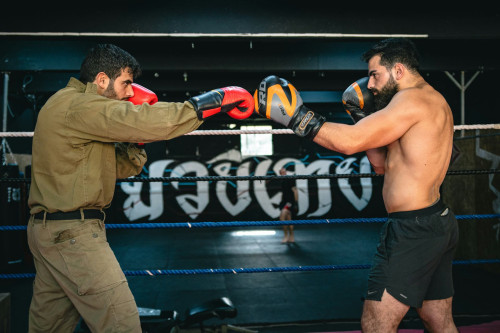
Boxing is unique in that many fights are decided not by knockouts but by judges’ scorecards. That means subjectivity plays a central role. Judges are asked to evaluate effective aggression, ring generalship, defense, and clean punching — but how they weigh those criteria varies from person to person.
Some judges reward forward pressure and aggression, while others favor technical precision and counterpunching. Knowing a judge’s tendencies can give bettors valuable insight into how a fight might be scored. Professional bettors often study judges’ past scorecards to identify patterns.
For example, in a matchup between a slick defensive boxer and a heavy-handed aggressor, a panel of judges known to favor offense could tilt the balance — even in a close contest.
Regional Styles and Cultural Differences
When fights cross borders, cultural expectations can also come into play. In the U.K., judges often value work rate and aggression. In the U.S., there’s typically more emphasis on clean, effective punching. In some parts of Eastern Europe or Latin America, local heroes may receive the benefit of the doubt in tight rounds.
For bettors, this means it’s not enough to analyze the fighters’ styles — you also need to consider how those styles align with local judging norms. A defensive counterpuncher might struggle to win on points in a market that prizes constant offense and crowd-pleasing exchanges.
Environmental and Logistical Factors
Even practical details like time zones, climate, and arena size can influence performance. A fighter traveling across multiple time zones may deal with jet lag or disrupted routines. Humidity, temperature, and lighting can all affect stamina and focus — especially in the later rounds.
Smart bettors look at how fighters have performed under similar conditions before. A boxer who thrives in humid environments might have an edge in Miami, while another who prefers cooler, controlled arenas could struggle under the lights of an outdoor venue in summer.
How to Use Venue and Judge Data in Your Analysis
Factoring in venue and judging information takes research, but it can provide a crucial edge. Here are a few practical steps:
- Research the judges: Look up their past scorecards and see which styles they tend to favor.
- Check the venue: Is one fighter competing at home? How have they performed there before?
- Consider travel and time zones: Long-distance travel can affect recovery and focus.
- Assess the crowd factor: A passionate home audience can subtly influence the fight’s rhythm and perception.
By combining these insights with traditional analysis — form, technique, and statistics — you can build a more complete picture of how a fight might unfold.
The Hidden Dimension of the Fight Game
Boxing isn’t just about strength, skill, and strategy inside the ropes. It’s also about perception, psychology, and context. The venue and the judges form a hidden layer that often goes unnoticed but can be decisive — both for the fighters and for those placing bets.
For anyone who wants to truly understand the sport — and not just the odds — this is where the most revealing insights lie.
Læs også: