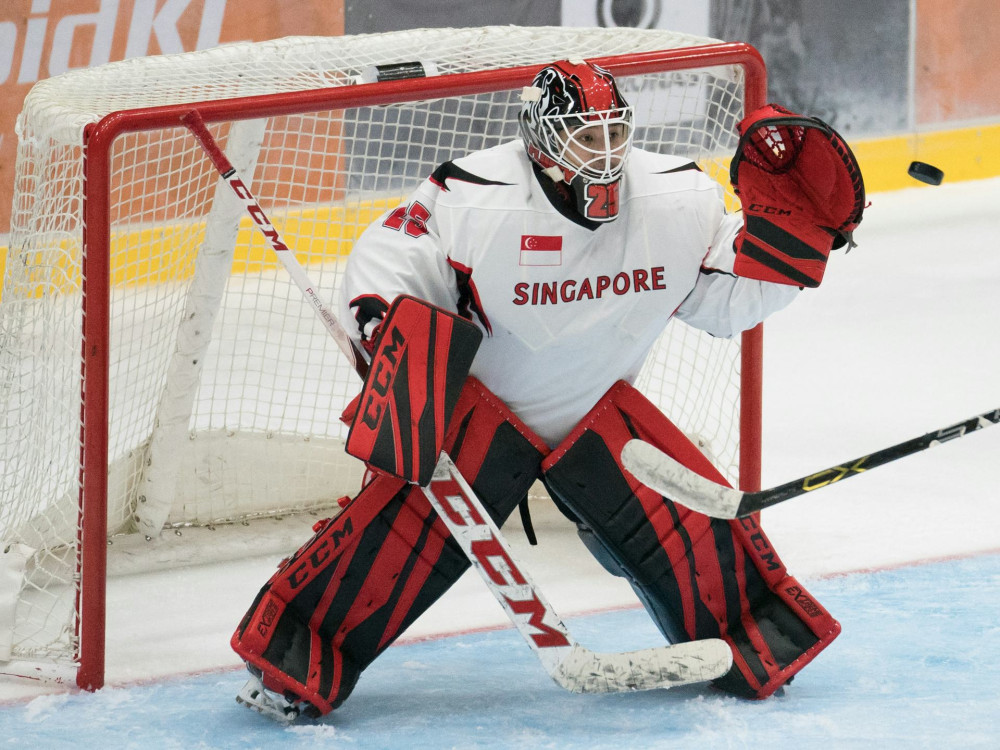
Combine Data and Intuition in Your NHL Betting


Combine Data and Intuition in Your NHL Betting
The NHL is one of the most unpredictable sports leagues in the world. A single deflection, a hot goalie, or an untimely injury can flip a game on its head. That’s why many bettors think hockey betting is all about luck. But the most successful players know better — they combine two powerful tools: data and intuition. Here’s how you can use both to improve your edge when betting on NHL games.
Understand the Nature of the Game — and Why Data Alone Isn’t Enough
Hockey is fast, physical, and full of randomness. Even elite teams lose regularly, and a single bounce can decide a matchup. Advanced analytics can help you make sense of the chaos, but they can’t capture everything. Data gives you a foundation; intuition helps you interpret the context.
A team might have strong underlying numbers, but if they’ve just played three games in four nights or their top line is banged up, those stats might not tell the full story. That’s where your feel for the game — your intuition — comes in.
Focus on the Key Metrics
There’s no shortage of stats in the NHL, but some are more useful than others when evaluating team strength and betting value:
- Corsi and Fenwick – These measure shot attempts and puck possession, giving you insight into which team controls play beyond the scoreboard.
- Expected Goals (xG) – This stat estimates the quality of scoring chances created and allowed. It’s often a better predictor of future performance than win-loss records.
- Power Play and Penalty Kill Efficiency – Special teams can swing close games, especially in the playoffs.
- Save Percentage (SV%) – Goaltending is crucial, but remember that performance can fluctuate wildly from game to game.
By combining these numbers, you’ll get a more accurate picture of a team’s true form than by looking at standings alone.
Intuition: Reading Momentum and Mental Factors
Data tells you what has happened — not necessarily what will happen. That’s why intuition is essential for reading the emotional and psychological side of the game.
How does a team respond after a blowout loss? Are they playing at home in front of a fired-up crowd? Is there a rivalry that could raise the intensity level? These are the kinds of factors that don’t show up in spreadsheets but can heavily influence outcomes.
Experienced bettors learn to sense when a team is “on the rise” before the results reflect it — maybe a new line combination is clicking, a goalie is regaining confidence, or a coach has adjusted the system. Those subtle cues can give you an edge before the market catches on.
Læs også:



Blend Analysis and Gut Feel
The best approach is to let data and intuition complement each other. Start with the numbers — they give you an objective baseline. Then use your instincts to adjust your expectations.
For example, the stats might show that a team is dominating possession, but if they’re finishing a long road trip and playing back-to-back nights, fatigue could be a real factor. Your intuition might tell you to downgrade their chances slightly.
On the flip side, your gut might spot value before the data does — like when a team gets a new coach and suddenly looks energized, even if the metrics haven’t caught up yet.
Avoid Common Pitfalls
Even the sharpest analysis can fail if emotions take over. Here are a few traps to watch out for:
- Overreacting to the last game – A big win or loss rarely tells the whole story.
- Falling for popular teams – Franchises like the Toronto Maple Leafs or New York Rangers often attract heavy public betting, which can skew the odds.
- Ignoring context – Travel schedules, time zones, and back-to-back games matter more in the NHL than in many other sports.
Being aware of these pitfalls helps you stay disciplined and objective.
Learn from Your Own Bets
Combining data and intuition isn’t just about making picks — it’s about learning from them. Keep a record of your bets, noting why you made each one and what factors influenced your decision. Afterward, review how things played out. Did your analysis hold up? Did your instincts help or hurt?
Over time, you’ll start to see patterns in your own decision-making. Maybe you’re best at spotting live-betting opportunities, or maybe you have a knack for identifying when a team is about to slump. That self-awareness is invaluable.
A Balanced Approach Delivers the Best Results
NHL betting isn’t about choosing between data and intuition — it’s about using both wisely. Analytics give you structure and objectivity, while intuition helps you understand the flow and emotion of the game.
When you learn to balance the two, you’ll not only improve your betting results but also gain a deeper appreciation for the sport itself. And that’s what makes NHL betting both challenging and endlessly fascinating.
Læs også: