Goalkeepers in Focus: Evaluate Real-Time Performance for Smarter Live Betting

Goalkeepers in Focus: Evaluate Real-Time Performance for Smarter Live Betting
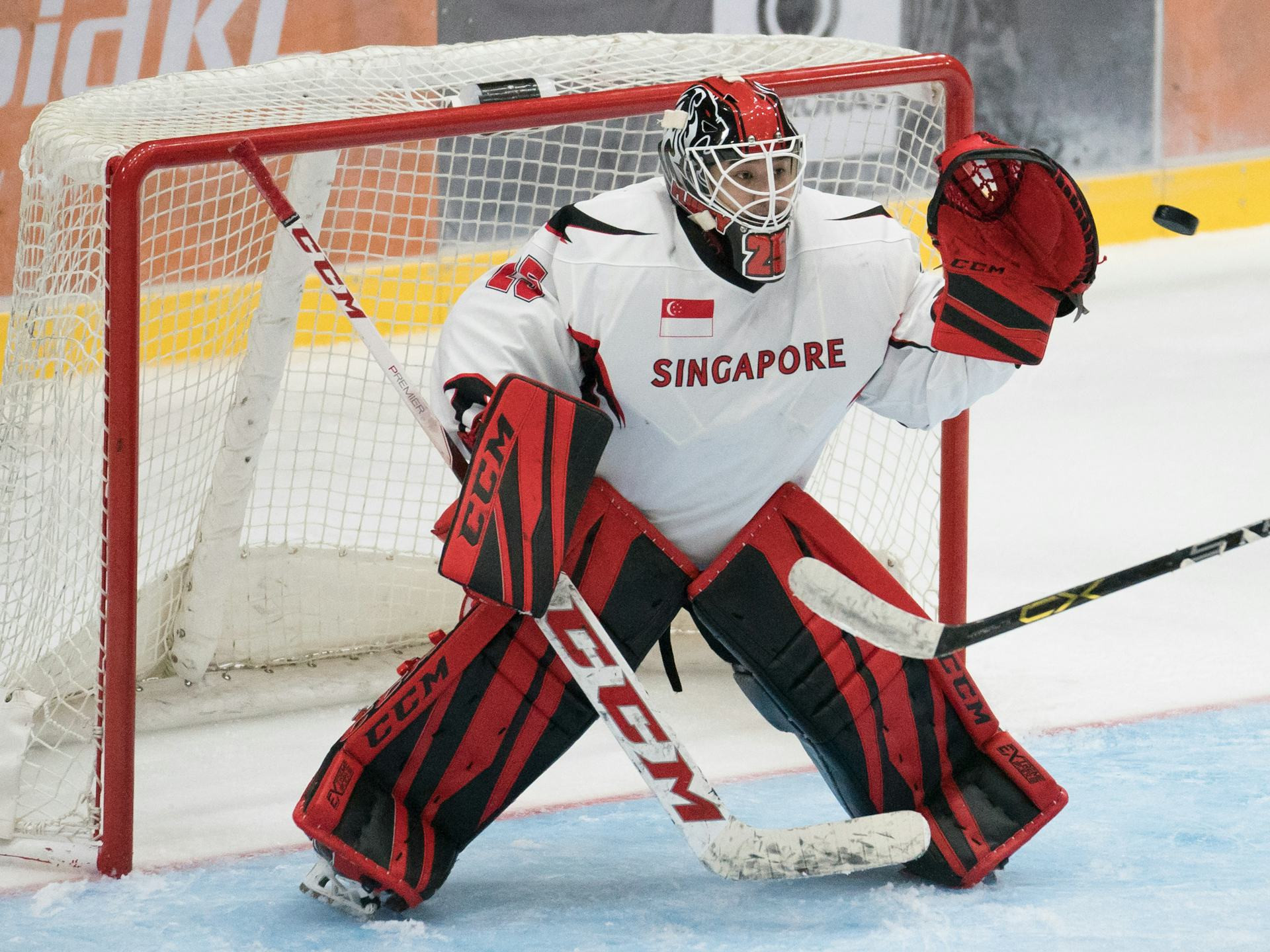
When it comes to live betting in hockey, most attention goes to goal scorers, power plays, and shot totals. But one factor often has a bigger impact on the outcome than any other: the goaltender’s performance. In a sport defined by speed and razor-thin margins, a single save can shift momentum—and the odds. Understanding and evaluating goalies in real time can give bettors a crucial edge when wagering during a game.
Why the Goalie Sets the Tone
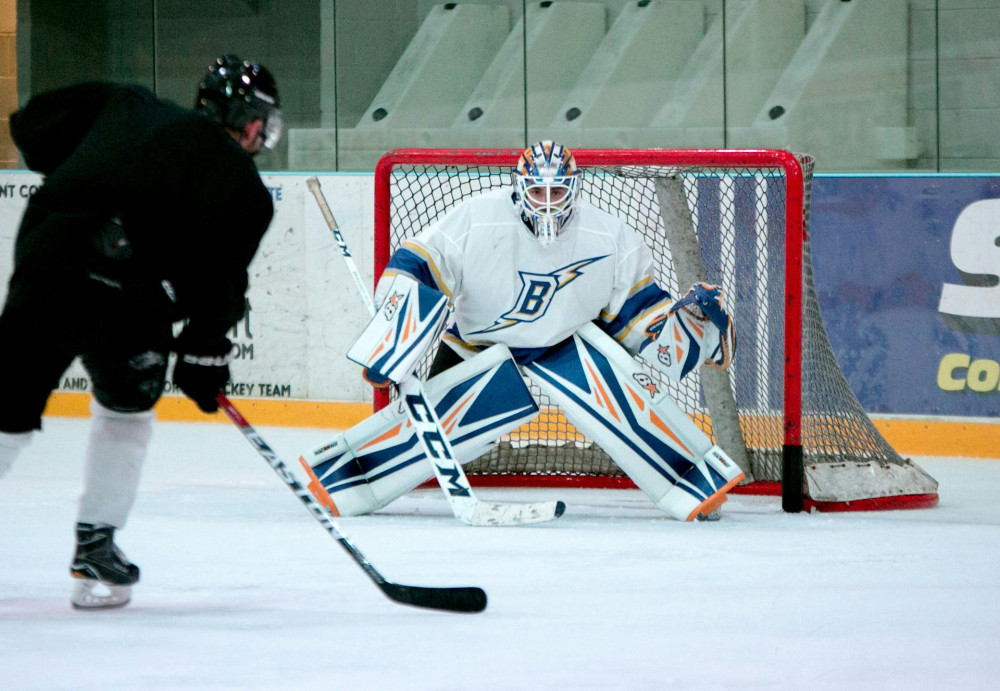
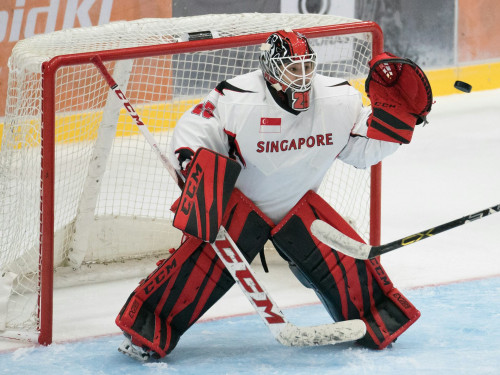
A hot goalie can shut down even the most dangerous offense. When a netminder is locked in, he can frustrate opponents, change the energy in the arena, and swing the psychological balance of the game. On the other hand, a shaky goalie can make his team vulnerable, even with a lead.
For live betting, that means you can’t just look at the scoreboard—you need to read the goalie’s body language and reactions. A 2–0 lead isn’t always safe if the goalie looks rattled and the opposing team is gaining confidence. Spotting those subtle shifts before the sportsbooks adjust can be the difference between a smart bet and a missed opportunity.
Signs of a Goalie in Control—or in Trouble
Evaluating a goalie’s performance goes beyond save percentage. During live play, watch for these key indicators:
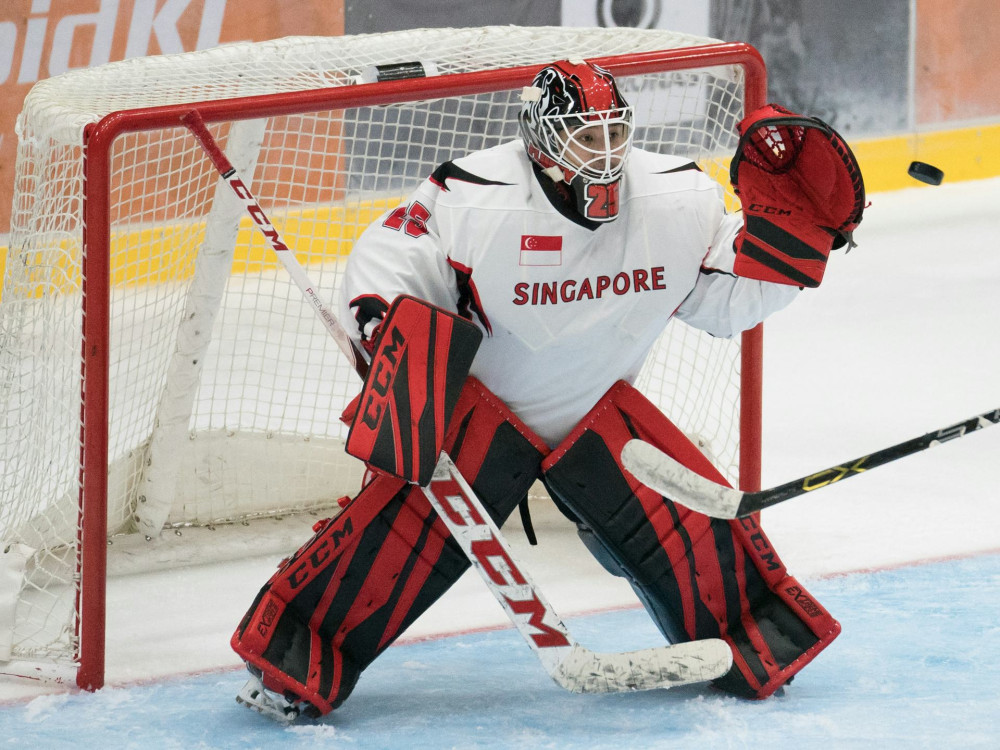
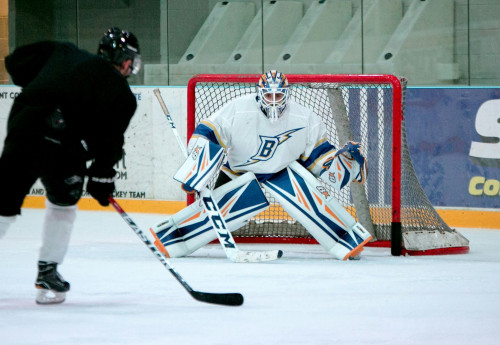
- Positioning: A well-positioned goalie forces shooters into bad angles. If he’s scrambling or losing track of the puck, it may signal uncertainty.
- Rebound control: Giving up juicy rebounds in front of the crease often leads to quick goals.
- Body language: Calm, composed movements show confidence. Head shakes, slumped shoulders, or visible frustration can reveal mental cracks.
- Communication with defensemen: A vocal goalie who directs traffic helps maintain structure. Silence or confusion can lead to defensive breakdowns.
By combining these observations with the game’s flow, you can better judge whether a team truly has control—or just looks dangerous on paper.
Real-Time Stats: Use Data Wisely
Most U.S. sportsbooks and live betting platforms now offer advanced in-game stats: shots on goal, expected goals (xG), save percentages, and heat maps. But numbers alone don’t tell the full story. A goalie might post a low save percentage but still be playing well if most shots come from the perimeter. Conversely, a high save rate can mask issues with rebound control or poor positioning.
A smart approach is to pair data with what you see. If a team is firing from the blue line without traffic in front, the goalie likely has a clear view and is in rhythm. That context helps you interpret the stats more accurately—and spot value before the odds move.
Momentum and Timing: When to Act
Live betting isn’t just about being right—it’s about acting at the right moment. If you notice a goalie starting to lose focus—after a couple of dangerous rebounds or a soft goal—it might be time to bet on the next goal coming from the opposing team. Sportsbooks often adjust only after the goal actually happens.
The reverse is also true. If a goalie stands tall through heavy pressure and keeps his team in the game, momentum can swing fast. That’s often a good time to back his team to score next, as confidence builds and the ice tilts the other way.
Læs også:
The Psychology of Goaltending—and Why It Matters
Goalies are among the most mentally demanding positions in sports. Every mistake is magnified, and the pressure never stops. Understanding how a goalie handles adversity can be key. Some thrive when peppered with shots, while others unravel after one unlucky bounce.
Context matters too. Is it a veteran starter in a playoff push, or a young backup suddenly thrust into action? Experience, confidence, and composure all influence how a goalie responds—and how the game might unfold.
From Observation to Action: Turning Insight into Strategy
Learning to read goalies in real time takes practice, but it can pay off. Start by watching games without betting, and note how your observations align with what happens next. Over time, you’ll recognize patterns—like certain goalies who struggle after giving up an early goal, or others who elevate their play under pressure.
When you start betting live, use your insights as a complement to the stats, not a replacement. The best strategy blends data, intuition, and timing.
A New Dimension in Live Betting
Hockey is a game where seconds can change everything. By putting the goalie at the center of your analysis, you gain a deeper understanding of the action—and a smarter approach to live betting. In the end, it’s often not the number of chances that decides the outcome, but the quality of the saves. And that’s where sharp bettors find their edge—both on the ice and at the sportsbook.
Læs også: