Risk and Probability: Make Smarter Financial Decisions in Games

Risk and Probability: Make Smarter Financial Decisions in Games
Whenever we play—whether it’s poker, roulette, or online slots—we’re making decisions under uncertainty. We hope for a win, but the outcome depends on probabilities we rarely see clearly. For many players, gaming becomes an emotional experience rather than a rational one. By understanding how risk and probability work, you can make more informed and financially sound choices when you play.
What Does Risk Mean in Gaming?
Risk is the uncertainty tied to an outcome—how likely you are to win or lose, and how big the consequences are. In gaming, risk can vary widely:
- Low risk: Games with small but frequent payouts, such as certain blackjack strategies or low-volatility slot machines.
- High risk: Games with rare but large jackpots, like progressive slots or lotteries.
Knowing your own comfort level with risk is key. Some players enjoy the thrill of big swings, while others prefer steady, longer play sessions. The important thing is to choose games that fit your budget and personality.
Probability – The Math Behind Every Game
Probability is the mathematical way of describing how often a certain outcome can be expected. In a simple example like a coin toss, the probability of heads is 50%. In casino games, the math is more complex, but the principle is the same: every game has built-in odds that determine your chances of winning.
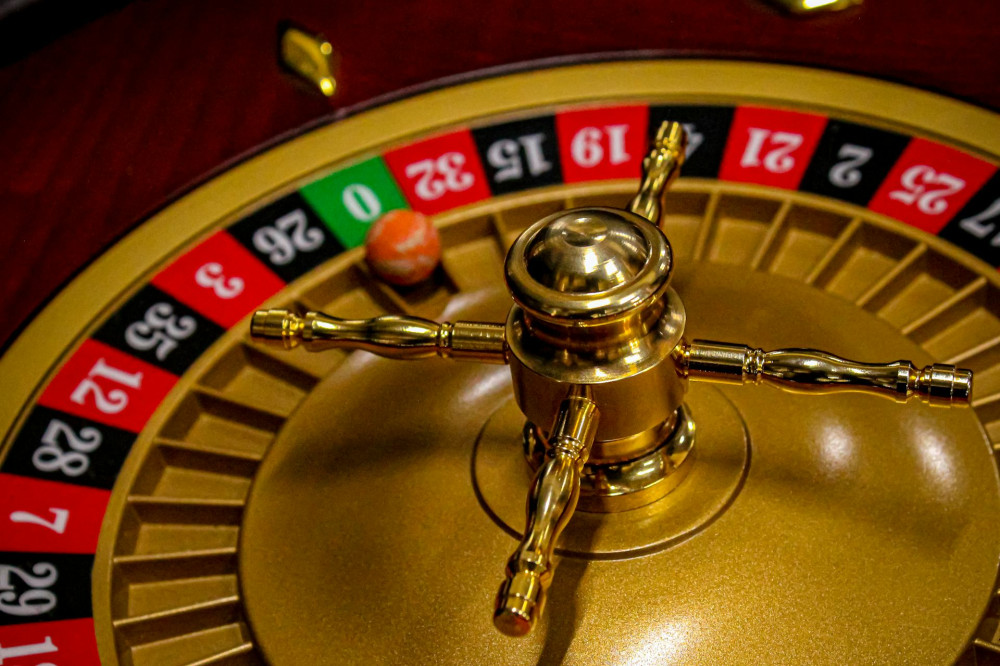
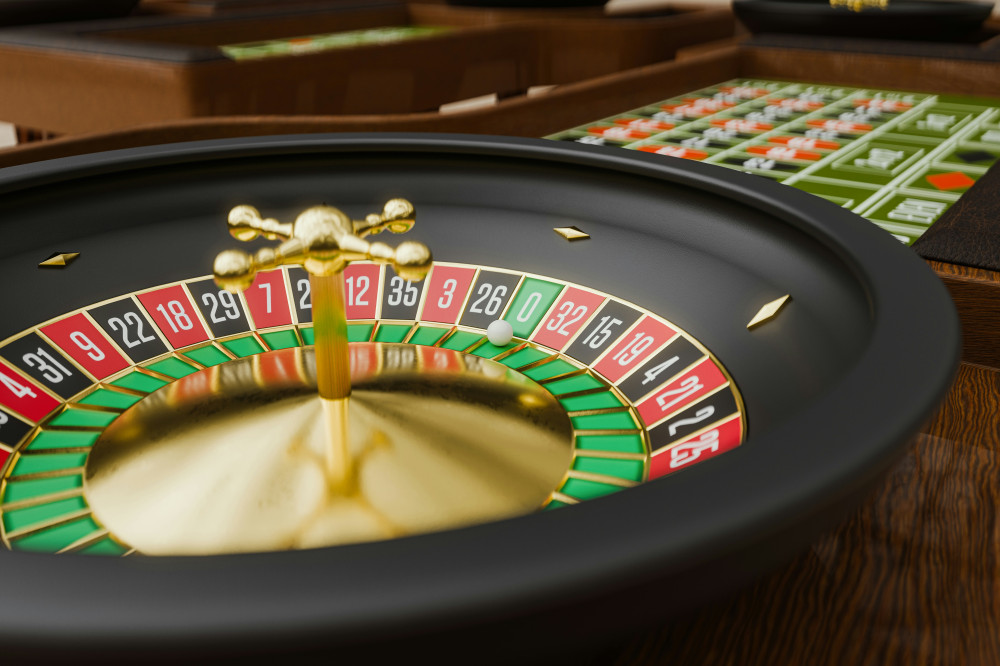
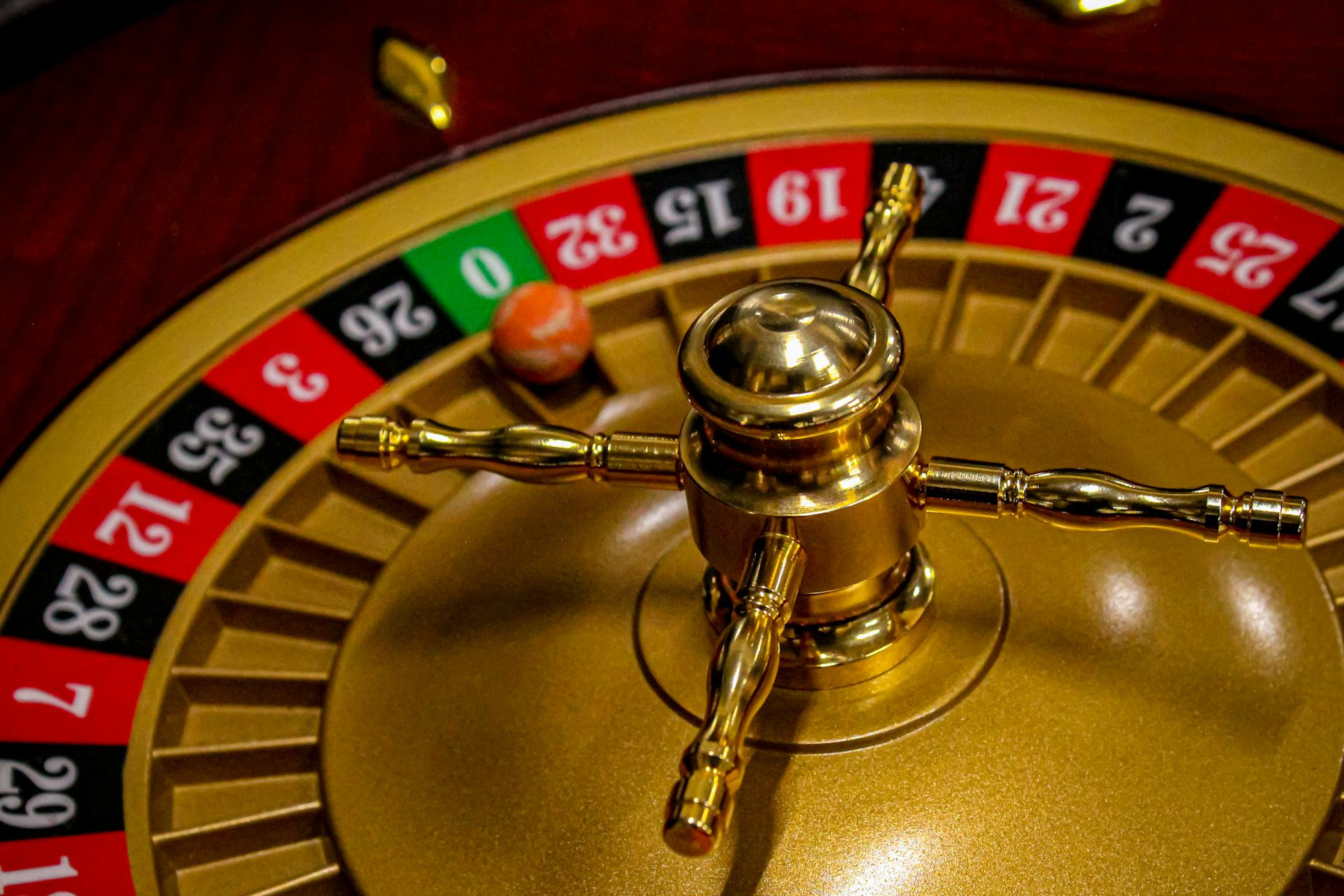
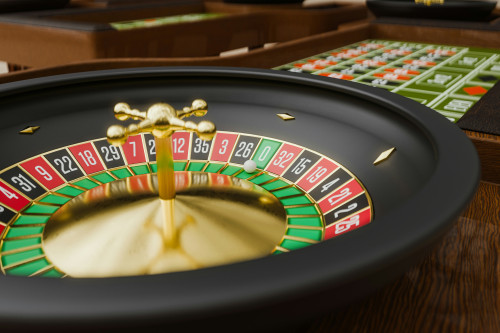
A central concept is the “house edge”—the casino’s statistical advantage. It’s the percentage the house expects to earn from each game over time. For example, American roulette typically has a house edge of about 5.26%. That means for every $100 wagered, the casino expects to keep $5.26 on average. It may not sound like much, but over thousands of spins, it adds up.
Expected Value – A Tool for Smarter Play
A useful concept for anyone who wants to understand the economics of gaming is expected value. It tells you how much you can expect to win or lose per bet on average. If a game has a negative expected value, it means you’ll statistically lose money over time—which is true for most casino games.
Example: Suppose you play a game where you have a 1 in 10 chance to win $50, but each play costs $10. The expected value is: (1/10 × 50) – (9/10 × 10) = 5 – 9 = –4. That means you lose an average of $4 per play. It’s not necessarily a bad choice for entertainment, but it shows why long-term play rarely leads to profit.
Emotions and Decisions – The Human Factor
Even with a solid grasp of probability, emotions can take over. Many players fall for the “gambler’s fallacy”—the belief that a certain outcome is “due” because it hasn’t happened in a while. In reality, each spin or hand is independent. A roulette wheel doesn’t remember past results.
Another common trap is “chasing losses”, where players try to win back lost money by betting more. This often leads to bigger losses and can spiral into problem gambling. Understanding your emotional triggers is just as important as understanding the math behind the game.
Læs også:

How to Play Responsibly
Responsible gaming isn’t about avoiding play altogether—it’s about doing it with awareness and control. Here are a few simple principles:
- Set a budget—and stick to it, no matter how the game goes.
- Treat gaming as entertainment, not as a way to make money.
- Choose games with a low house edge if you want more playtime for your money.
- Take breaks, especially after big wins or losses.
- Use self-control tools offered by many online platforms, such as deposit limits or time reminders.
By combining knowledge of probability with healthy habits, you can enjoy a more balanced and positive gaming experience.
Smarter Choices Lead to Better Experiences
In the end, gaming is about excitement and enjoyment. But when you understand how risk and probability shape your chances, you can make more informed decisions—and avoid the pitfalls that trap many players. It’s not about eliminating risk, but about managing it wisely.
When you play with insight, the game becomes not only more fun—but also more responsible.
Læs også: