Horse Breeds Through the Ages: Traditions and Preferences in Horse Racing

Horse Breeds Through the Ages: Traditions and Preferences in Horse Racing
For centuries, horse racing has been a sport where speed, strength, and grace converge. Behind the thunder of hooves and the roar of the crowd lies a long story of breeding, tradition, and national preferences. Each era and region has shaped its own favored breeds—molded by climate, culture, and ambition. From the English Thoroughbred to the American Standardbred, the evolution of horse breeds tells the story of how humans have refined the horse to meet their sporting dreams.
From Aristocratic Pastime to National Passion
Organized horse racing began in 17th-century England, where the aristocracy competed to breed the fastest horses. The English Thoroughbred emerged from crosses between native mares and imported Arabian, Barb, and Turkoman stallions. The result was a horse of explosive speed and endurance—one that would become the global standard for flat racing.
By the 18th and 19th centuries, the sport had spread to North America. What began as an elite pastime soon became a popular spectacle, drawing crowds from all walks of life. In the United States, horse racing evolved alongside the nation itself—shaped by frontier spirit, innovation, and a love of competition. Distinct American breeds and racing traditions began to take root, reflecting the country’s diversity and drive.
Gallop, Trot, and Pace – Different Traditions, Different Breeds
Horse racing is not a single sport but a family of disciplines. The most familiar are flat racing and harness racing, but each demands a different type of horse and skill set.
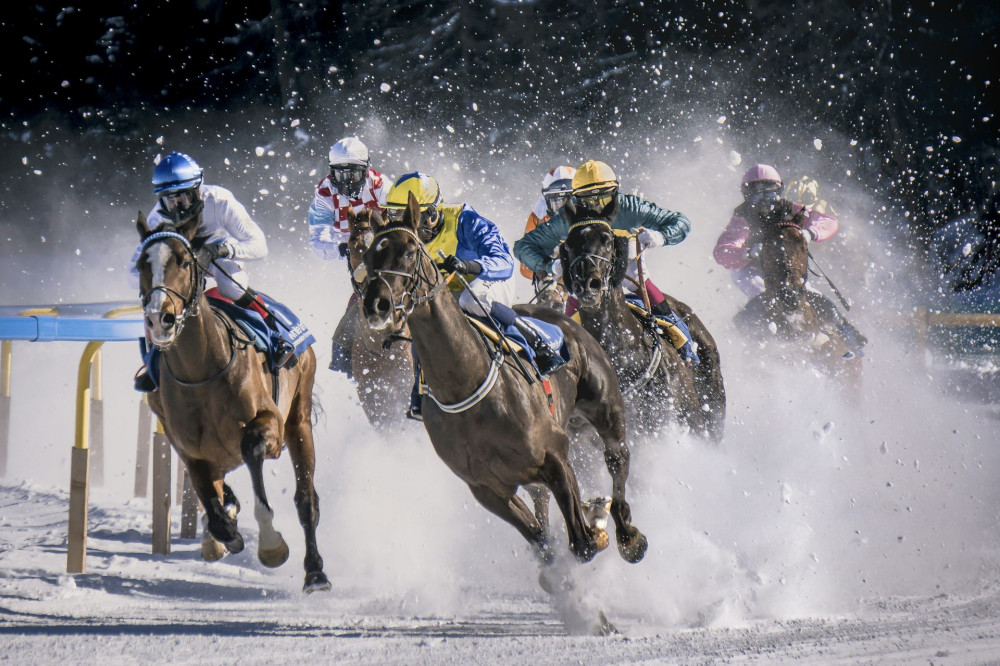
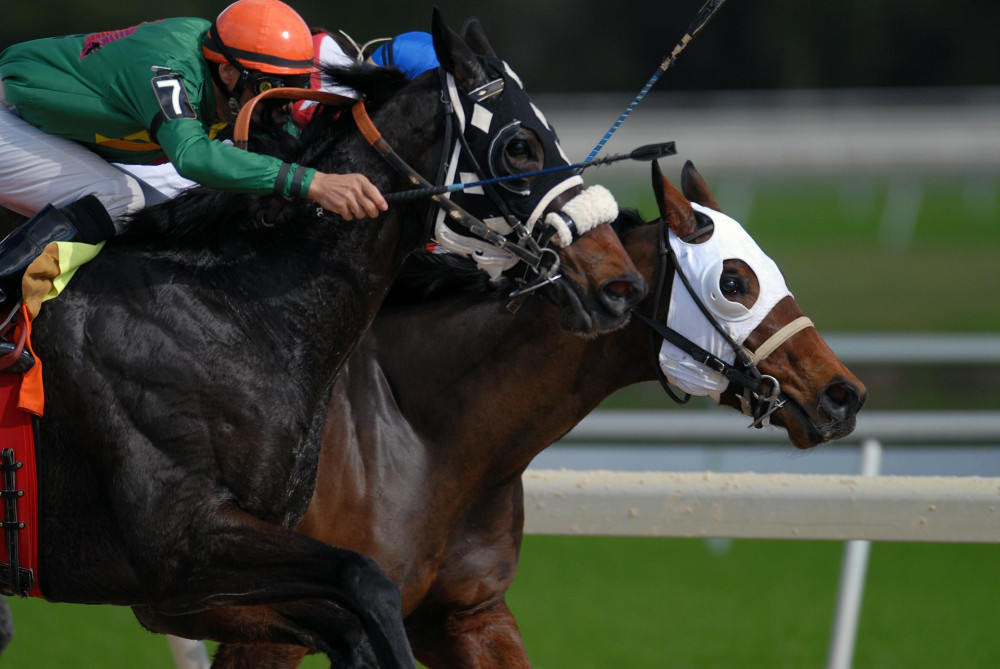
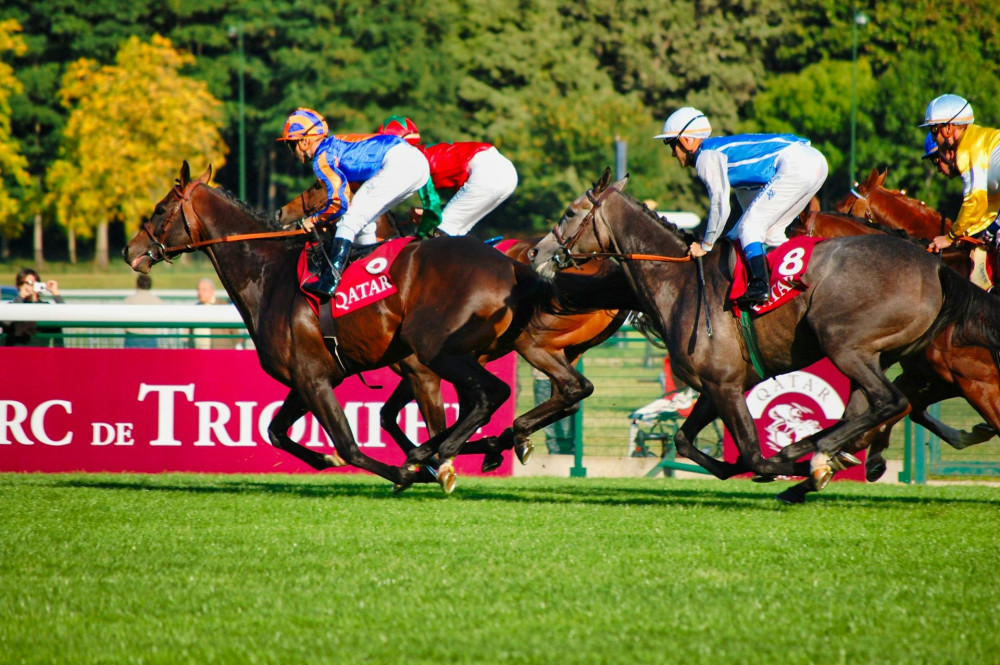
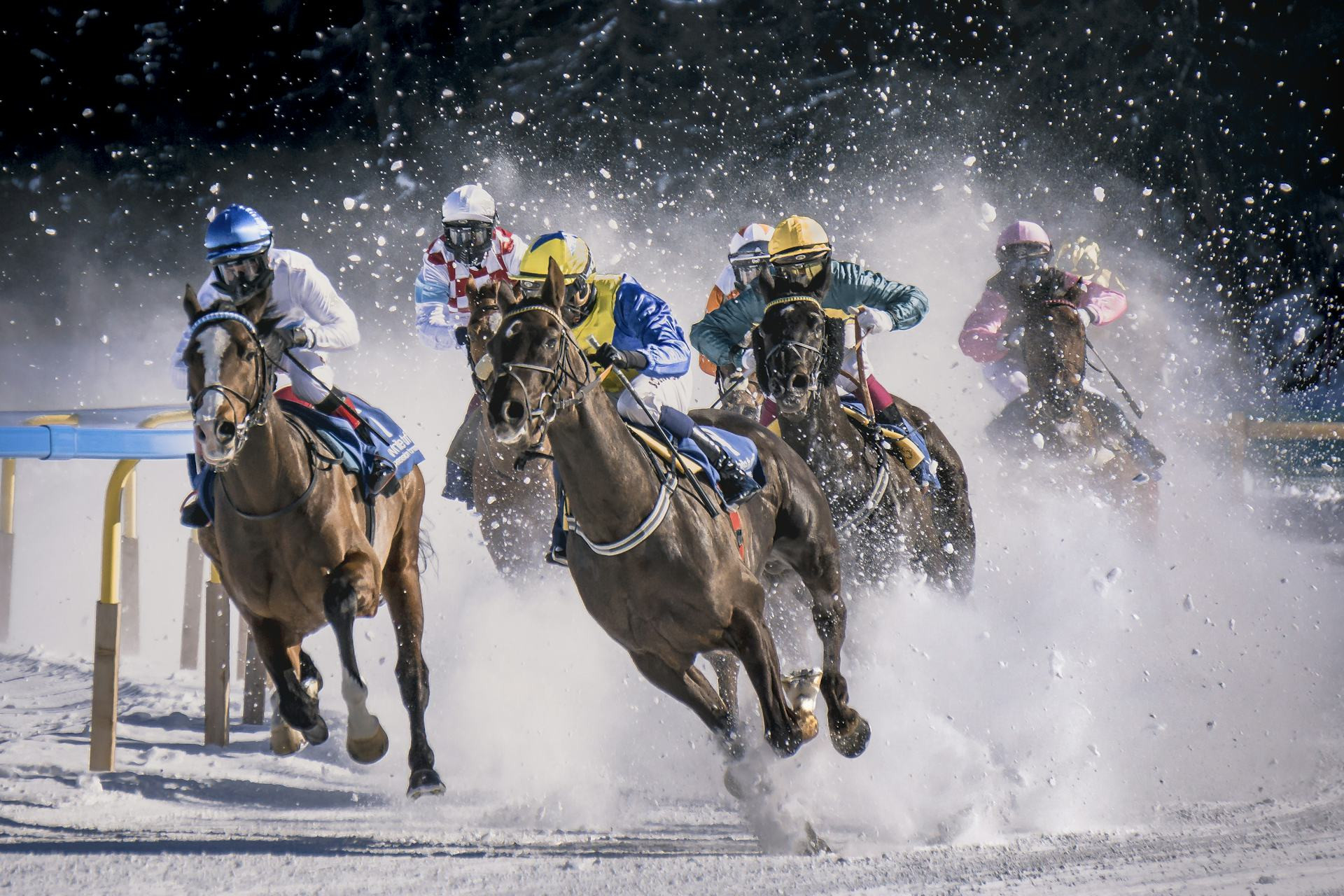
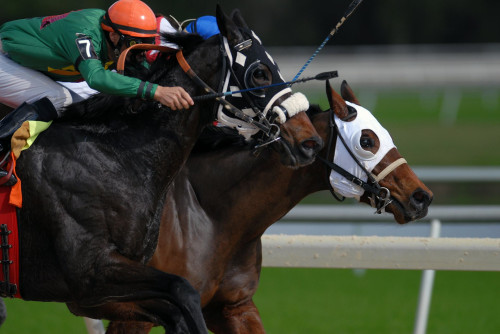
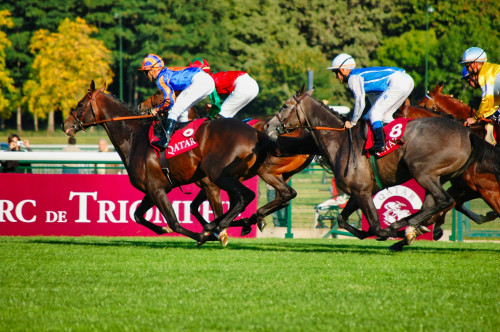
- Flat racing is the classic image of the sport: jockeys astride sleek Thoroughbreds, galloping at full speed over turf or dirt. It’s a test of raw speed, stamina, and strategy.
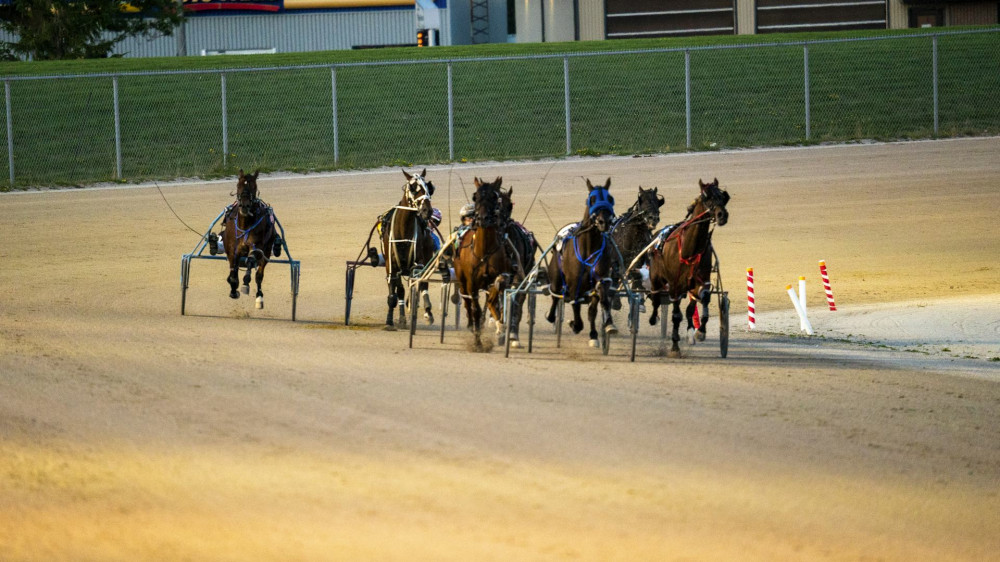
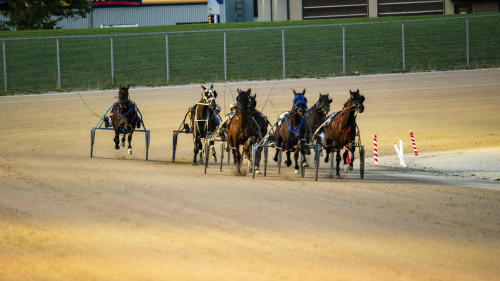
- Harness racing features horses pulling a lightweight two-wheeled cart called a sulky. The horses race at a trot or pace, maintaining a steady gait without breaking into a gallop. This discipline gave rise to the American Standardbred, a breed known for its consistency and endurance.
- Endurance racing, popular in parts of the U.S. and the Middle East, tests a horse’s stamina over long distances—often favoring the Arabian breed, renowned for its resilience and intelligence.
These variations have produced a rich diversity of breeds, each optimized for its own form of racing.
The Great Breeds – Icons of the Track
The Thoroughbred
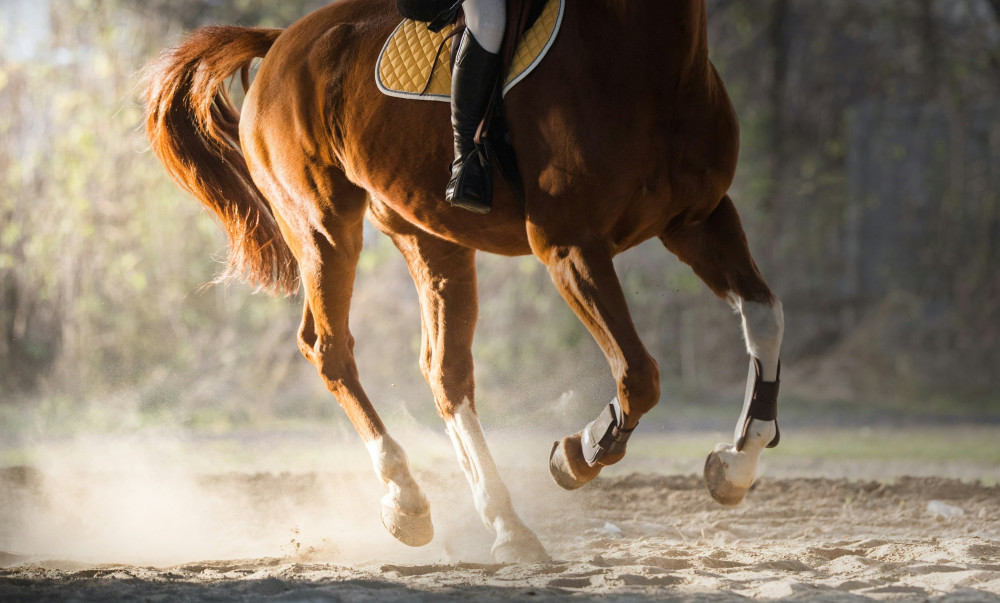
The undisputed icon of horse racing, the Thoroughbred is fast, elegant, and spirited. Bred for flat racing, it dominates events like the Kentucky Derby, the Preakness Stakes, and the Belmont Stakes—the famed Triple Crown. Its influence extends far beyond the racetrack, shaping countless other breeds around the world.
The American Standardbred
Developed in the United States in the 19th century, the Standardbred was bred specifically for harness racing. More muscular and even-tempered than the Thoroughbred, it excels at maintaining high speeds over long distances. Harness racing remains especially popular in states like New York, New Jersey, and Ohio, where Standardbreds are celebrated for their reliability and heart.
The Arabian
One of the oldest and most influential horse breeds, the Arabian is prized for its endurance, intelligence, and distinctive beauty. Its bloodlines run through nearly every modern light horse breed. In the U.S., Arabians are often seen in endurance races and as foundation stock in breeding programs that value stamina and refinement.
The Quarter Horse
America’s own racing breed, the Quarter Horse was developed for short-distance sprints—often a quarter mile, hence the name. Known for its explosive acceleration and powerful build, it dominates the world of short-track racing, particularly in the American Southwest. Beyond the racetrack, it’s also a favorite in rodeo and ranch work, embodying the versatility of the American horse.
Læs også:
Breeding and Preferences – From Tradition to Technology
Breeding racehorses has always balanced tradition and innovation. In earlier centuries, breeders relied on intuition and experience—pairing the fastest with the strongest and hoping for the best. Today, genetics, data analytics, and advanced training methods guide breeding decisions with scientific precision.
Yet culture and tradition still play a defining role. In the U.S., performance and earnings often outweigh pedigree prestige, reflecting a results-driven mindset. In contrast, European breeders may emphasize lineage and heritage. Across the industry, technology is reshaping how horses are bred, trained, and cared for—but the human element remains central.
Horse Breeds as Living Heritage
Racehorses are more than athletes; they are living symbols of history and culture. Each breed tells a story of human ingenuity, adaptation, and passion. In the United States, where racing faces new challenges—from animal welfare concerns to shifting public interest—the legacy of these breeds helps keep the sport’s spirit alive.
Watching a Thoroughbred thunder down the stretch or a Standardbred glide in perfect rhythm is not just witnessing speed and power—it’s seeing centuries of partnership between humans and horses in motion.
The Future of the Racehorse
The future of horse racing will likely bring greater emphasis on welfare, sustainability, and transparency. Advances in veterinary science, improved track conditions, and ethical breeding practices aim to ensure that the sport remains both humane and competitive.
But no matter how technology evolves, the fascination with the horse—its strength, beauty, and willingness to run—will remain at the heart of racing. The breeds may continue to adapt, but their history will always remind us of the enduring bond between people and horses, a partnership that has galloped through the ages and shows no sign of slowing down.
Læs også: