Track Conditions as the Key to Value in Horse Betting


Track Conditions as the Key to Value in Horse Betting
When it comes to betting on horse racing, success isn’t just about picking the fastest horse or the most famous jockey. One of the most overlooked yet crucial factors in finding real value is the track condition. Whether you’re betting on dirt, turf, or synthetic surfaces, understanding how the track plays on a given day can be the difference between a losing ticket and a profitable one.
What Do Track Conditions Really Mean?
Track conditions describe how the racing surface feels and performs on race day. In the U.S., dirt tracks are typically rated as fast, good, muddy, or sloppy, while turf courses might be labeled firm, good, yielding, or soft. These ratings reflect how much moisture is in the surface and how it affects traction and speed.
Just like human athletes, horses have individual preferences. Some excel on a dry, fast track where speed dominates, while others perform better when the surface is wet or heavy, where stamina and balance matter more. Recognizing these tendencies is key to spotting value that the betting public often misses.
Study the Horse’s Past Performances
The best way to gauge how a horse will handle the day’s conditions is to look at its past performances. In the racing form, you’ll find notes on how each horse has fared under different track conditions.
Ask yourself:
- Has the horse won or placed on a sloppy track before?
- Does it struggle when the surface is dry and fast?
- Are there consistent patterns in its results tied to certain conditions?
By comparing this information with the current track rating, you can often identify horses that are being underestimated by the odds.
Weather: The Game-Changer
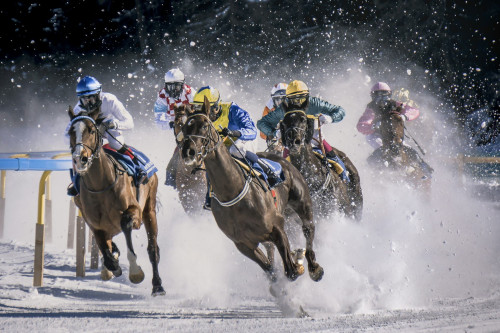
Weather can transform a race day in a matter of hours. A morning rain shower can turn a fast dirt track into a muddy one, while a sunny afternoon can dry out a turf course that started the day soft. That’s why experienced bettors keep a close eye on the forecast and track updates.
Many seasoned players wait until closer to post time to place their bets, especially on days with changing weather. Watching the early races can reveal how the track is actually playing—sometimes the official description doesn’t tell the full story.
Track Design and Local Differences
No two racetracks are exactly alike. Some have tight turns, others long stretches. Some dirt tracks drain quickly after rain, while others hold moisture longer. A horse that thrives on a wet track at Churchill Downs might not perform the same way at Belmont Park.
Getting to know the unique characteristics of each track can give you an edge. Many professional bettors keep personal notes on how different tracks behave under various conditions—a kind of private “track database” that helps them make sharper decisions.
How Pace and Surface Interact
Track conditions don’t just affect individual horses—they also shape the pace of the race. On a fast track, front-runners often have an advantage because they can maintain speed more easily. On a sloppy or tiring surface, however, early leaders may fade, giving closers a better chance to catch up.
By analyzing the running styles in the field—who’s likely to set the pace and who tends to come from behind—you can anticipate how the race might unfold under the day’s conditions.
Læs også:
Putting Track Conditions Into Your Betting Strategy
Incorporating track conditions into your betting approach takes a bit of extra effort, but it pays off. Here are some practical tips:
- Study the past performances – note how each horse has handled similar conditions before.
- Monitor the weather – especially on days with potential rain or temperature swings.
- Watch the early races – they reveal how the track is truly playing.
- Stay flexible – adjust your bets if the surface changes during the day.
- Keep records – over time, you’ll build valuable insights about horses and tracks.
Track Conditions as Your Hidden Advantage
In a betting world where most players focus on speed figures, jockey stats, and post positions, track conditions can be your secret weapon. It takes patience and observation, but the reward is finding value where others see none.
Ultimately, understanding track conditions is about understanding the essence of horse racing itself: the best horse doesn’t always win—it’s the one best suited to the conditions on the day.
Læs også: