Trot, Gallop, or Combo? How the Track Type Affects the Race

Trot, Gallop, or Combo? How the Track Type Affects the Race
When the horses line up at the gate, it’s not just their form, jockey, or driver that determines the outcome. The track itself plays a crucial role in how the race unfolds. The surface, length, turns, and even the weather can dramatically change the dynamics — whether it’s a trot, a gallop, or a combination track. Here’s a look at how track type influences the race and what fans and bettors alike should keep an eye on.
The Trot Track – Precision and Rhythm
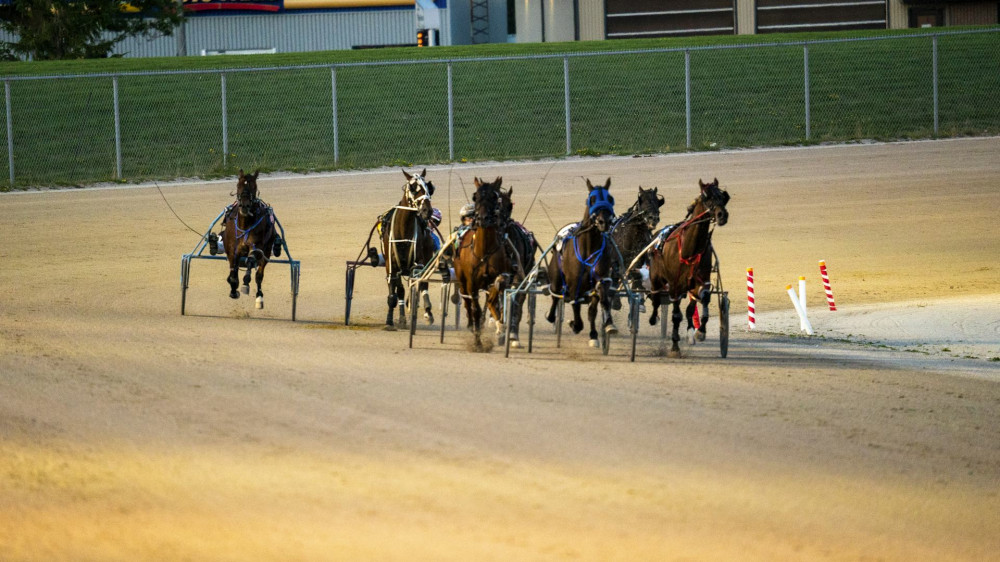
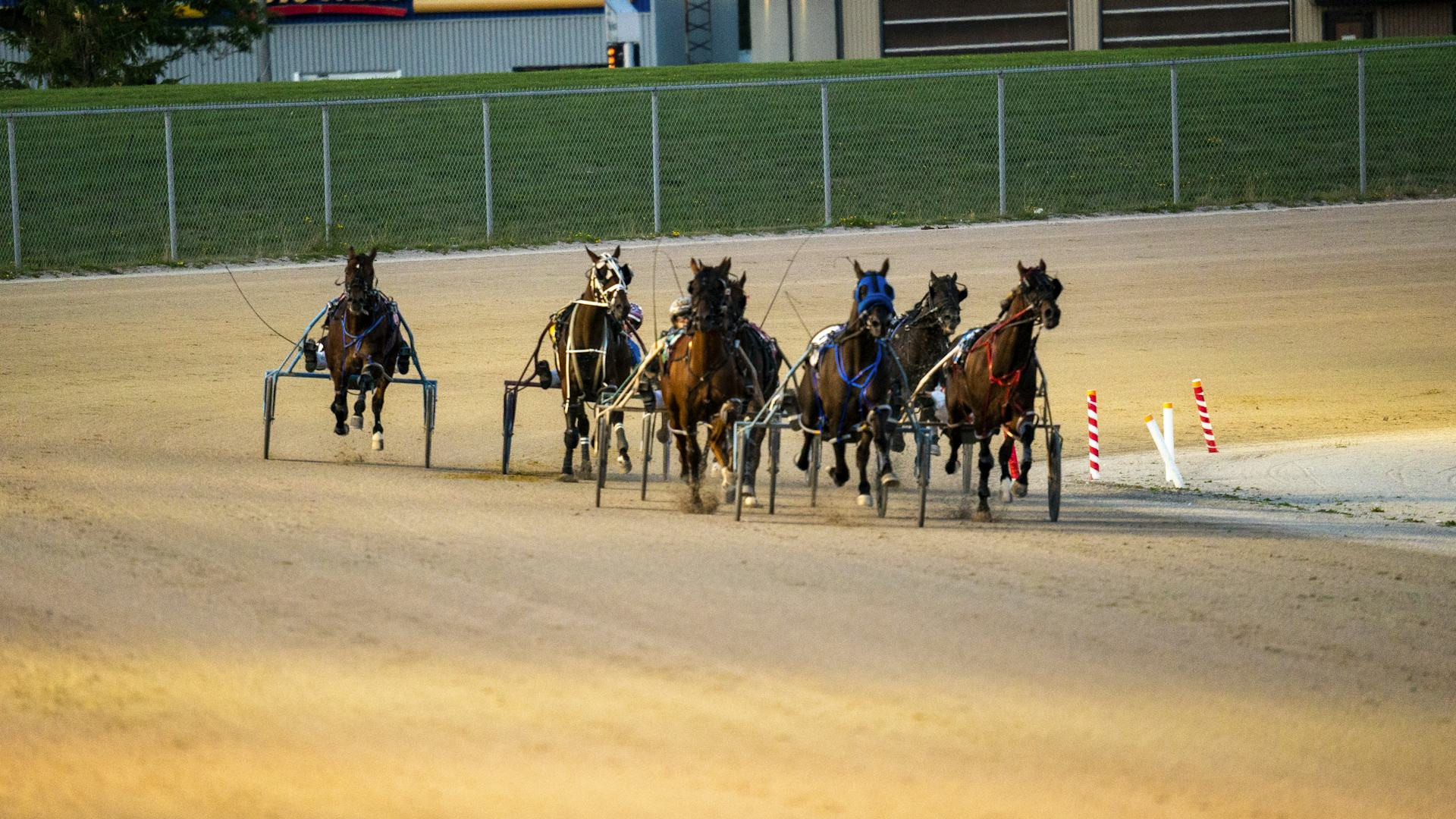
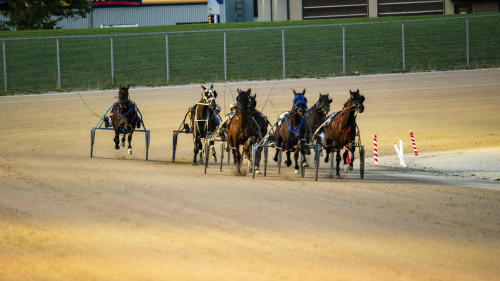
Harness racing is all about tempo and consistency. The horses must maintain their trot without breaking into a gallop, and the driver has to find the perfect balance between speed and control. That’s why the track’s condition is so important.
Most American harness tracks are oval-shaped and measure about a half-mile or mile in circumference. The surface is usually a mix of clay and sand, designed to be firm yet forgiving enough to provide traction. A track that’s too soft can slow the pace, while one that’s too hard increases the risk of missteps or breaks in gait.
Weather is another key factor. Rain can make the surface heavy and sticky, favoring strong, enduring trotters, while dry conditions lead to faster times. For bettors, checking the track report before post time can make a big difference — small changes in surface moisture or maintenance can shift the balance between contenders.
The Gallop Track – Speed, Skill, and Courage
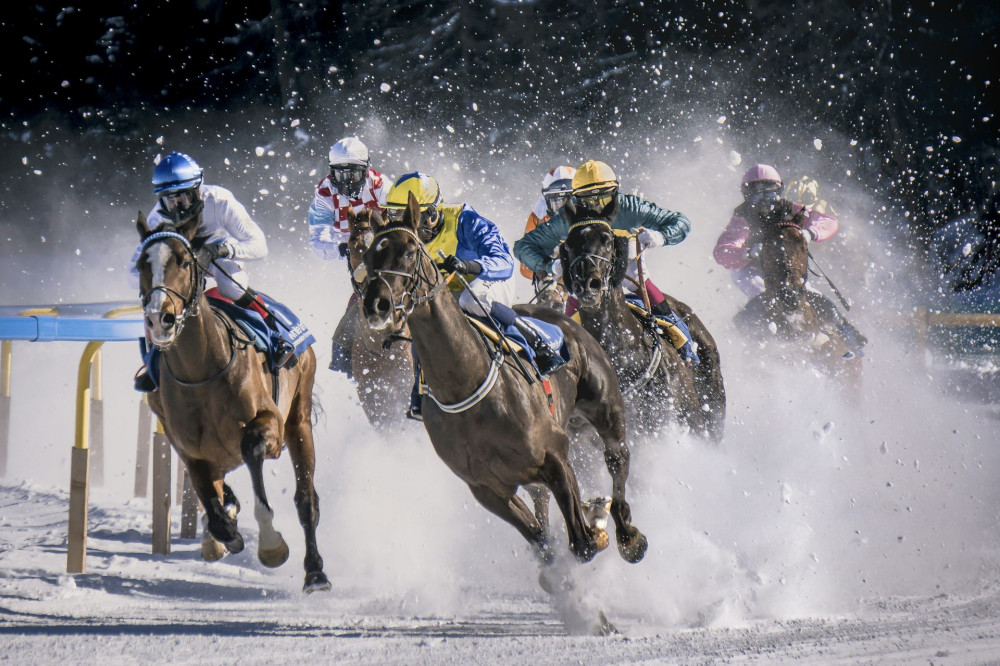
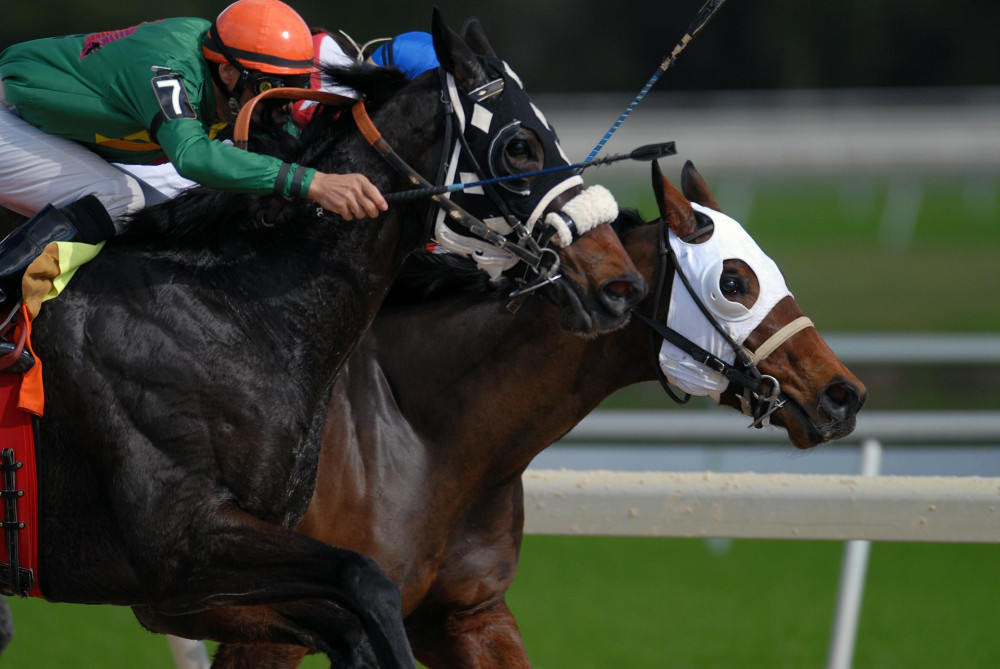
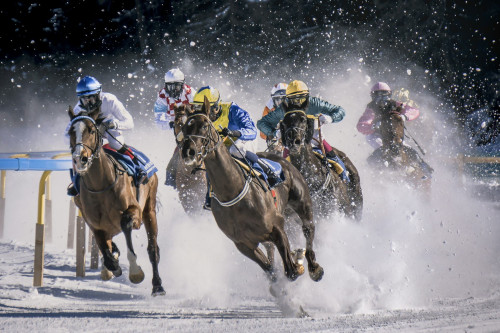
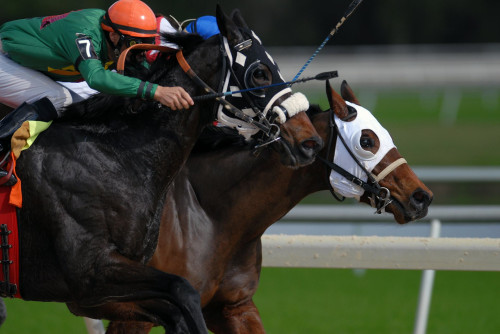
In thoroughbred racing, it’s all about acceleration and nerve. Horses run at full speed, and the jockey must find the right line through the turns. Here, the track’s slope, length, and turf or dirt quality matter immensely.
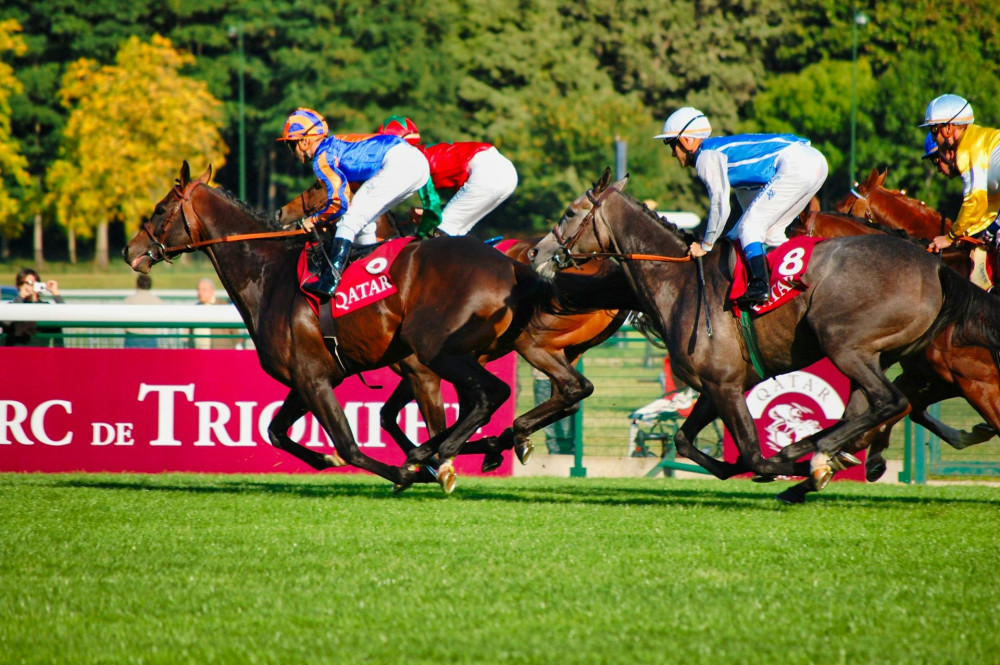
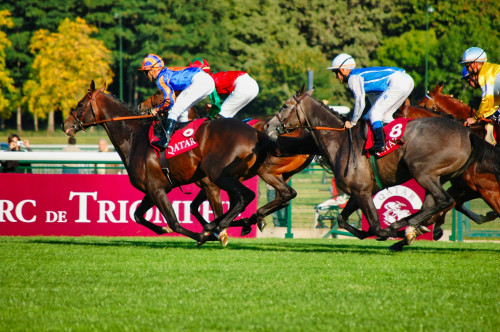
In the U.S., most major tracks — like Churchill Downs, Belmont Park, and Santa Anita — feature dirt or turf surfaces. Dirt tracks tend to favor front-runners who can handle kickback and maintain momentum, while turf courses reward balance and agility. A dry, firm turf track produces faster times, while a rain-softened course demands stamina and sure footing.
Turns also play a role. Tight turns require nimble horses and precise timing from the jockey, while sweeping curves allow for a gradual build-up of speed. That’s why a horse that dominates at one track may struggle at another, even over the same distance.
The Combo Track – Flexibility and Strategy
Some venues host both harness and thoroughbred racing, requiring flexibility in design and maintenance. The surface must be adaptable, and track crews often adjust grading, drainage, and materials to suit each discipline.
For trainers and riders, that means paying close attention to daily conditions. A combo track can change character from one race to the next — especially if both types of racing are held on the same day. Horses may need different shoes or balance adjustments depending on the surface’s firmness and moisture level.
How the Track Shapes Tactics
Track type doesn’t just affect performance — it shapes strategy. On a fast, dry track, taking the lead early can pay off, while a heavy or wet surface often rewards those who conserve energy for a late surge. In harness racing, an inside post can be a big advantage on tight tracks, while wide, sweeping gallop tracks give more room to find rhythm and position.
For bettors, it’s worth studying how horses have performed on similar surfaces in the past. “Track bias” statistics are often available and can offer valuable clues about which horses are best suited to the day’s conditions.
Læs også:
From Surface to Spectacle
For spectators, the track type also shapes the experience. Harness tracks often provide a closer view of the action, as the horses pass the stands multiple times. Gallop tracks deliver more speed and drama, but following the field through the turns takes a sharp eye. Combo tracks offer variety — and the chance to enjoy both disciplines in one visit.
Whichever type you prefer, remember that the track is more than just a backdrop. It’s an active player that shapes every stride, every strategy, and ultimately, every finish line.
Læs også: