The Evolution of Predictions in Motorsports – From Guesswork to Data


The Evolution of Predictions in Motorsports – From Guesswork to Data
Predicting the outcome of a race has always been a mix of intuition, experience, and luck. In the early days of motorsports, it was often the mechanics’ gut feelings and fans’ favorite drivers that shaped expectations. Today, the picture is entirely different. Modern racing has become a data-driven world where advanced algorithms, sensors, and artificial intelligence play a central role in everything from race strategy to betting. This transformation has changed not only the sport itself but also how we understand it.
From the Mechanic’s Ear to the Computer’s Calculations
In the early decades of motorsport—from the 1950s in Formula 1 to the 1970s in NASCAR and rally racing—predictions were based on observation and experience. A mechanic could tell from the sound of an engine whether it was running smoothly, and a seasoned fan could sense when a driver was “in the zone.” Statistics were limited to lap times and finishing positions, and data collection was done with stopwatches and notebooks.
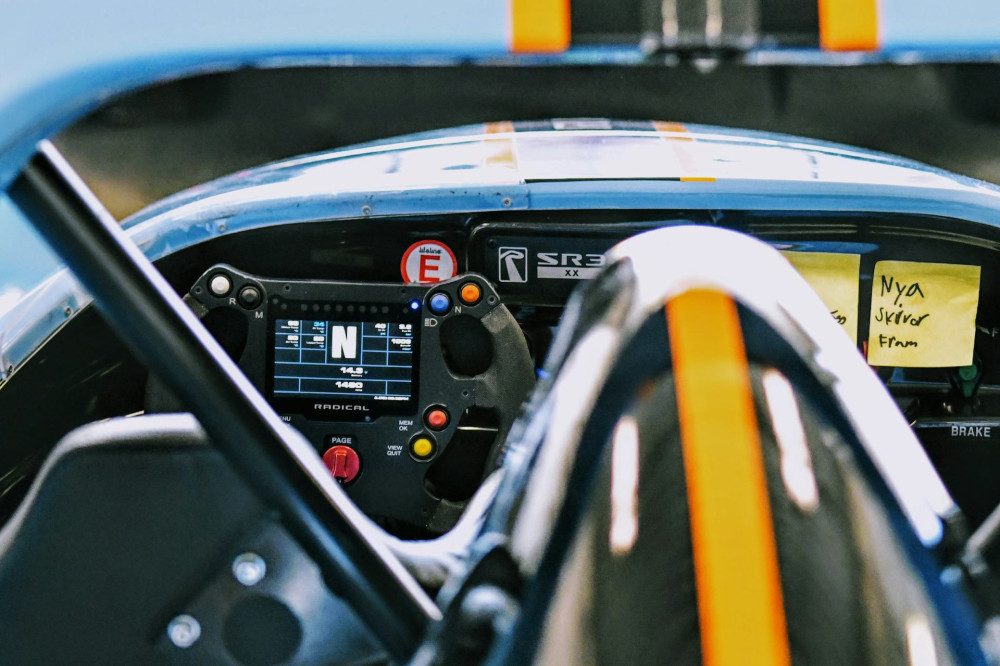
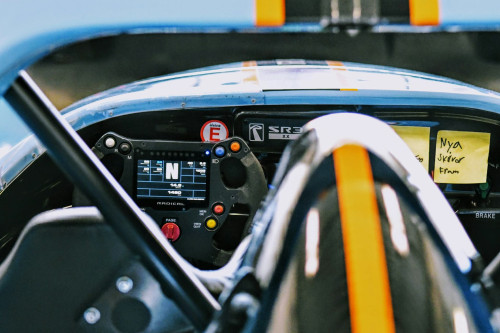
That world is long gone. Today, every race car is equipped with hundreds of sensors measuring everything from tire pressure and fuel consumption to aerodynamic load. These data streams are transmitted in real time to engineers who analyze them to optimize performance—and to predict how the race might unfold.
Læs også:
The Data Revolution in the Pits
The shift toward data-driven analysis accelerated in the 1990s, when telemetry became standard across most racing series. Suddenly, teams could monitor the condition of their cars during a race and respond instantly. This didn’t just change strategy—it redefined what could be predicted.
Now, teams use advanced simulation models that run thousands of scenarios before a race even begins. They can estimate the likelihood of a caution period, assess the impact of weather changes, and predict the optimal timing for pit stops. Decisions that once relied on instinct are now supported by vast amounts of data.
Betting and Predictions – A New Layer of Analysis
The same technological evolution has transformed how fans and betting platforms approach predictions. Where people once bet on their favorite driver or a lucky hunch, modern motorsports betting is built on statistical models and machine learning.
Algorithms analyze historical results, qualifying times, weather data, and track characteristics to calculate probabilities for everything from podium finishes to fastest laps. Some platforms even use live race data to adjust odds in real time—a form of “live prediction” that makes the experience more dynamic and precise.
Human vs. Machine – or Working Together?
Even though data and algorithms have revolutionized predictions, human intuition still matters. No model can fully account for a driver’s mental state, an unexpected crash, or a sudden downpour. The most successful analysts and strategists combine data with experience and contextual understanding.
It’s in this collaboration between human and machine that the most accurate predictions emerge. Data can reveal patterns, but it still takes human judgment to interpret them correctly.
The Future: Artificial Intelligence and Digital Twins
The evolution is far from over. Artificial intelligence and “digital twins”—virtual replicas of cars and tracks—are increasingly used to simulate races and forecast outcomes. AI can learn from millions of data points and detect patterns that even the most experienced engineers might miss.
In the future, predictions will become even more precise, and both teams and fans will gain access to analytical tools once reserved for factory engineers. This will make motorsports more transparent—but also more complex.
From Guesswork to Science
Predictions in motorsports have evolved from a matter of luck to a discipline of its own. Data has made the sport more predictable—but also more fascinating. Because even though we can calculate almost everything, there will always be an element of unpredictability that keeps motorsports what it has always been: a thrilling contest between human skill, machine performance, and chance.
Læs også: