Cycling Culture and Sports Betting: National Differences in Interest and Approach


Cycling Culture and Sports Betting: National Differences in Interest and Approach
At first glance, cycling and sports betting might seem worlds apart—one rooted in endurance, health, and community, the other in analysis, risk, and excitement. Yet in many countries, the two intersect through a shared fascination with competition and performance. How do attitudes toward cycling and betting differ across nations, and what do these differences reveal about cultural values and approaches to sport?
The United States: Fitness, Individualism, and Emerging Interest
In the U.S., cycling is primarily associated with fitness, recreation, and lifestyle rather than professional competition. From weekend rides on scenic trails to urban commuters embracing eco-friendly transport, the bicycle symbolizes health, independence, and personal achievement.
Professional cycling, while respected, remains a niche sport compared to football, basketball, or baseball. Betting on cycling events is still relatively uncommon, though online platforms and fantasy sports are beginning to change that. American bettors tend to approach sports wagering as a form of entertainment and data-driven engagement—an extension of the country’s fascination with technology, statistics, and personal strategy.
This reflects a broader cultural pattern: Americans often view both sport and betting as individual pursuits, where success depends on preparation, knowledge, and calculated risk.
The United Kingdom: Tradition and Analytical Engagement
Across the Atlantic, the British have a long-standing relationship with both cycling and betting. The country’s recent dominance in professional cycling—thanks to Olympic and Tour de France victories—has elevated the sport’s profile. Betting, meanwhile, is deeply ingrained in British culture, from horse racing to soccer and now cycling.
For many British fans, betting is not just about winning money but about deepening their engagement with the sport. They study riders’ form, team tactics, and weather conditions with near-scientific precision. This analytical approach mirrors a cultural appreciation for strategy and informed decision-making, turning betting into an intellectual extension of fandom.
Læs også:


France and Italy: Passion, Heritage, and Emotion
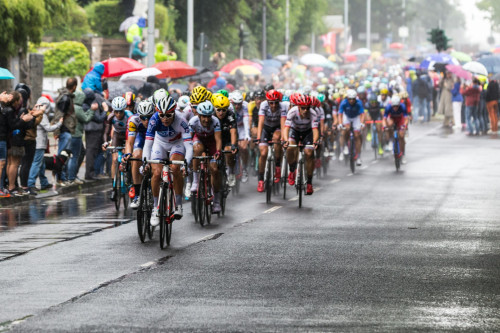
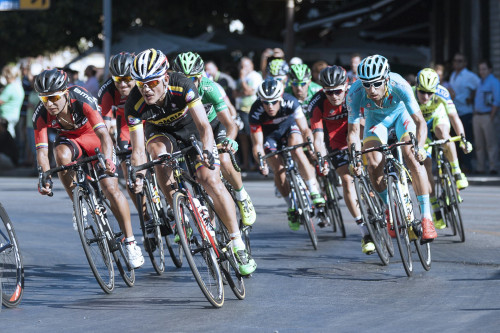
In France and Italy, cycling is woven into the national identity. The Tour de France and Giro d’Italia are not merely races—they are cultural events that celebrate landscapes, history, and local pride.
Betting exists but often takes a back seat to emotional investment. Fans tend to support their favorite riders or national heroes rather than making purely strategic wagers. The act of betting becomes an expression of loyalty and passion rather than a calculated gamble.
This emotional approach reflects a Mediterranean cultural emphasis on storytelling, drama, and the beauty of sport itself. Cycling here is not just competition—it’s theater on wheels.
Belgium and the Netherlands: Community and Local Pride
In Belgium and the Netherlands, cycling is a way of life. From daily commuting to amateur races, the sport is deeply embedded in local communities. The great one-day classics like the Tour of Flanders and Amstel Gold Race are national celebrations that unite towns and regions.
While betting exists, it plays a minor role compared to the social and communal aspects of the sport. Fans follow local riders out of regional pride, not for financial gain. This reflects a culture that values participation, community, and shared experience over speculation.
Japan and Asia: Tradition Meets Regulation
In Japan, cycling and betting intersect in a unique way through keirin, a form of track cycling created specifically for wagering. Keirin is highly regulated but culturally accepted, blending athleticism with structured betting. Across Asia, cycling is gaining popularity as both a sport and a fitness trend, with digital platforms making betting more accessible in regulated markets.
Cultural Reflections in Sport and Play
Looking across nations, it becomes clear that differences in cycling and betting are not just about sport—they’re about culture. In some countries, cycling represents community and health; in others, it’s about competition and analysis. Betting can be a social ritual, a test of intellect, or an emotional expression of loyalty.
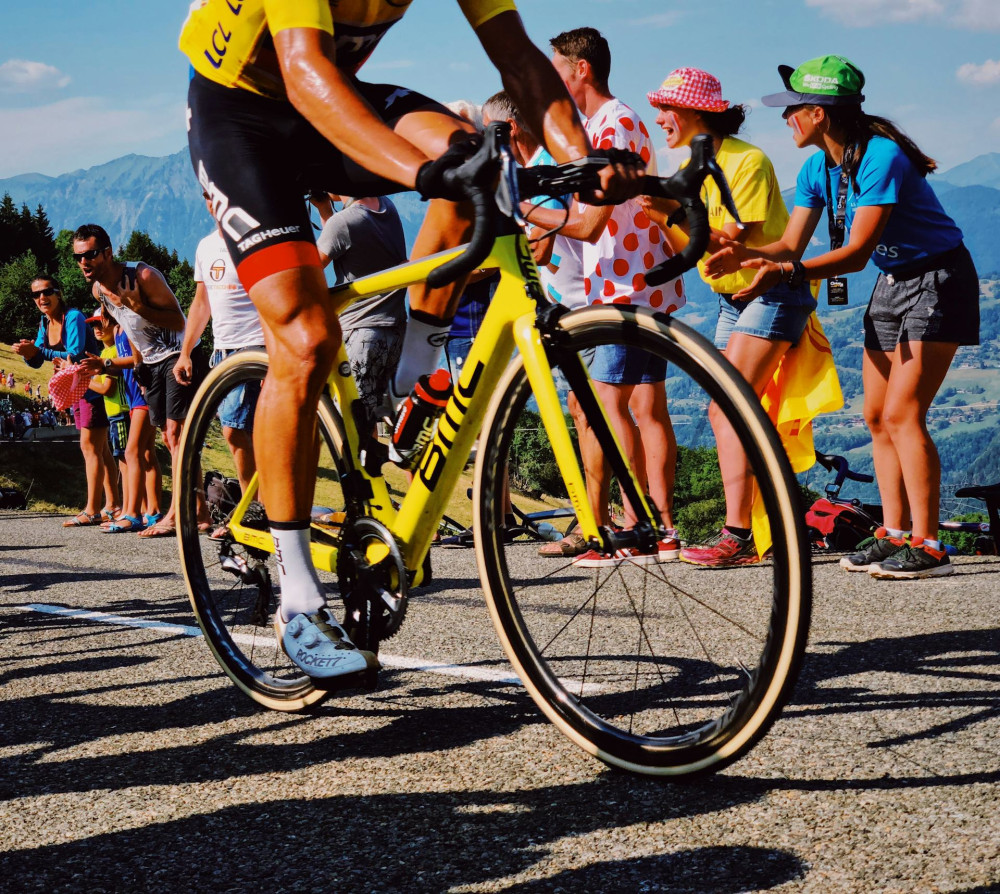
What unites all these perspectives is the shared thrill of uncertainty. Whether cheering from a roadside in the Alps or tracking live odds on a smartphone, fans everywhere are drawn to the same question: who will cross the finish line first?
Læs også: