Odds Comparison in Cycling: Understanding Market Expectations


Odds Comparison in Cycling: Understanding Market Expectations
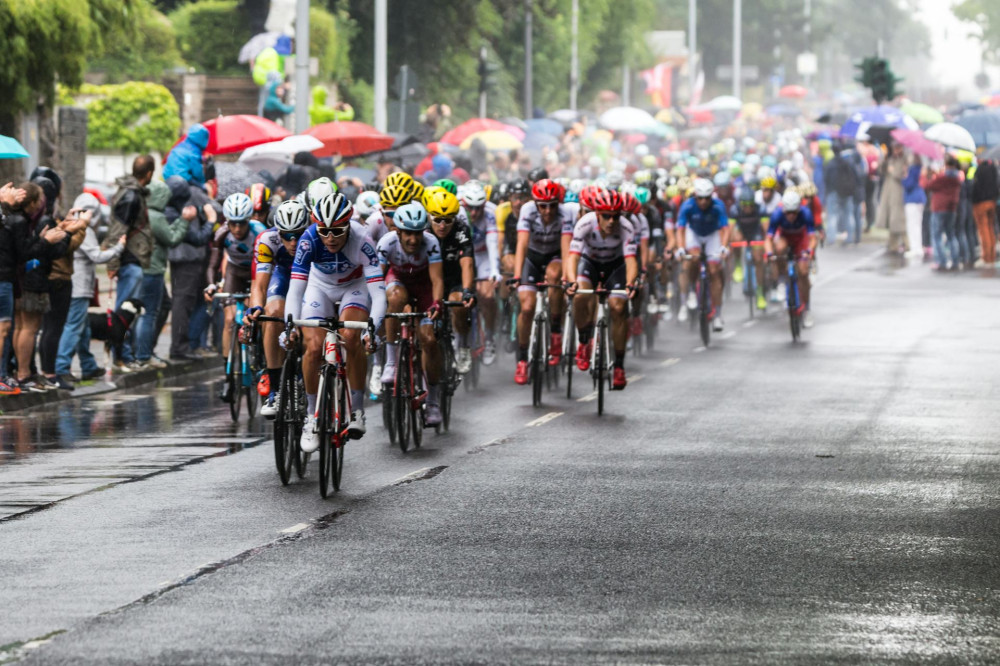
Professional cycling is a sport defined by strategy, endurance, and unpredictability. Every race brings new variables—weather, terrain, team tactics, and individual form. But beyond the physical competition, there’s another layer of intrigue: the betting markets. For many fans, comparing odds isn’t just about placing a wager; it’s about interpreting how the market perceives each rider’s chances. In this article, we’ll explore how odds comparison in cycling works and what it reveals about market expectations.
What Do Odds Mean in Cycling?
Odds represent a bookmaker’s assessment of the likelihood that a specific outcome will occur—such as a rider winning the Tour de France or taking a stage victory. Lower odds indicate a higher perceived probability of success.
However, odds are not static reflections of probability alone. They also respond to market behavior. When large numbers of bettors back a particular rider, bookmakers adjust the odds to balance their exposure. As a result, odds can shift dramatically in the days or even hours leading up to a race.
Why Compare Odds?
Different sportsbooks evaluate races differently. Some employ cycling specialists who track form and team dynamics closely, while others rely on broader statistical models. This variation means that odds for the same event can differ significantly between bookmakers.
For example, if one sportsbook offers +350 on a rider and another offers +400, choosing the latter gives you a higher potential return for the same bet. Over time, consistently finding these small differences—known as “value”—can make a meaningful impact on your overall results.
That’s why odds comparison is a key tool for anyone interested in betting intelligently. It’s not about betting more—it’s about betting smarter.
Reading Market Expectations
When you look at cycling odds, you’re essentially seeing a snapshot of collective market sentiment. If a rider’s odds suddenly shorten, it could be due to several factors:
- Recent performance: A strong showing in a lead-up race can quickly shift perceptions.
- Team strategy: Announcements about team leadership or support roles can alter expectations.
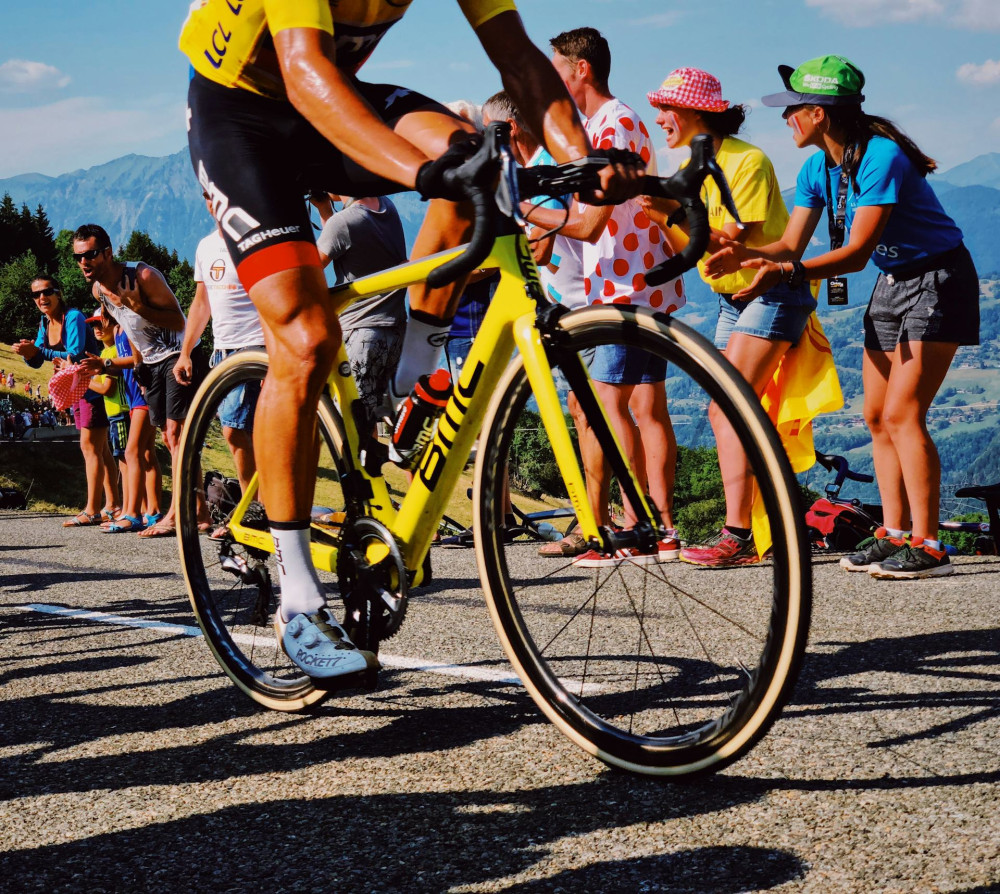
- Course profile and weather: A mountainous stage favors climbers, while crosswinds might benefit strong all-rounders.
- Injuries or illness: Even minor health concerns can cause odds to move sharply.
By tracking these changes, you can gain insight into how the market interprets news and trends—sometimes even before they’re widely reported.
How to Use Odds Comparison in Practice
If you want to use odds comparison effectively, follow a structured approach:
- Choose a race or stage you understand well—perhaps a mountain stage in the Tour de France.
- Compare odds across multiple sportsbooks using an odds comparison site.
- Monitor changes over time—which riders are drifting, and which are being backed?
- Read news and analysis to understand the reasons behind those movements.
- Identify value opportunities—riders whose odds seem misaligned with their true chances.
This process takes patience and attention to detail, but it can deepen your understanding of both the sport and the psychology of the betting market.
The Unique Challenges of Cycling
Cycling differs from many other sports because outcomes depend on a complex mix of factors: team tactics, terrain, weather, crashes, and day-to-day form. This complexity makes it difficult for both bookmakers and bettors to predict results accurately.
As a result, cycling odds tend to be more volatile than those in sports like football or basketball. A longshot can become a favorite overnight if a key rival withdraws or the route changes. This volatility is precisely what makes odds comparison so intriguing in cycling.
Læs også:



A Tool for Insight—Not Just for Betting
Even if you don’t place bets, comparing odds can be a fascinating way to follow the sport. Odds act as a kind of collective forecast—a market-based barometer of who’s in form and who’s expected to perform well.
When you notice a rider’s odds tightening before a flat stage, it might signal that analysts and bettors alike expect a strong sprint performance. In this way, odds can add an extra layer of understanding to your viewing experience.
Conclusion: Reading the Market Like a Race
Comparing odds in cycling isn’t just about finding the best number—it’s about interpreting what those numbers mean. They reflect the market’s collective expectations, shifting dynamically as new information emerges.
By following odds movements, you can learn to see the sport from a new perspective: as an interplay between performance, strategy, and perception. Whether you’re a bettor or simply a fan, understanding the market’s rhythm can make your appreciation of cycling even richer and more nuanced.
Læs også: