Wind, Weather, and Data: How Conditions Affect Race Dynamics

How weather conditions and data insights shape the strategy and outcome of cycling races
Tour de France
Tour de France
4 min
From crosswinds to temperature shifts, every element of the weather can change the rhythm of a race. Discover how cyclists and teams use data to turn unpredictable conditions into tactical opportunities and gain a competitive edge.
Giovanni Parker
Giovanni
Parker

Wind, Weather, and Data: How Conditions Affect Race Dynamics

How weather conditions and data insights shape the strategy and outcome of cycling races
Tour de France
Tour de France
4 min
From crosswinds to temperature shifts, every element of the weather can change the rhythm of a race. Discover how cyclists and teams use data to turn unpredictable conditions into tactical opportunities and gain a competitive edge.
Giovanni Parker
Giovanni
Parker

When cyclists roll onto the open road, it’s not just their legs that determine the outcome. Wind, temperature, humidity, and even road surface all play crucial roles in shaping how a race unfolds. In an era where data and analytics drive performance, understanding how weather influences race dynamics has become a strategic advantage—for teams, riders, and fans alike.

The Power of the Wind – From Tactical Weapon to Nightmare

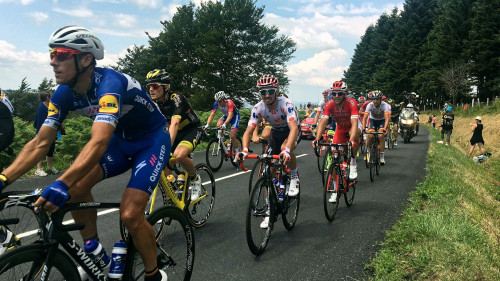
Wind is perhaps the most decisive environmental factor in cycling. A strong crosswind can tear the peloton apart, forming echelons where only the most alert riders manage to stay in front. Headwinds can crush breakaway hopes, while tailwinds can turn a daring attack into a winning move.

Today’s teams rely on detailed wind forecasts to plan their tactics. They know exactly where along the route the wind will shift direction and when it might pay off to attack. For riders, positioning is everything—being in the right place when the wind hits can mean the difference between victory and defeat.

Temperature and Humidity – The Body’s Hidden Opponents

While wind often steals the spotlight, temperature and humidity can be just as influential. In hot races like those in the American Southwest, dehydration and overheating can drain energy faster than riders can replenish it. In cooler, damp conditions—like those found in early spring races in the Midwest—muscles tighten, and the risk of crashes increases.

Data from sensors embedded in riders’ clothing and bikes now allow teams to monitor body temperature, heart rate, and hydration levels in real time. This information helps adjust pacing, nutrition, and cooling strategies on the fly—a technological edge that can make all the difference on the toughest days.

Rain, Road Surface, and Risk

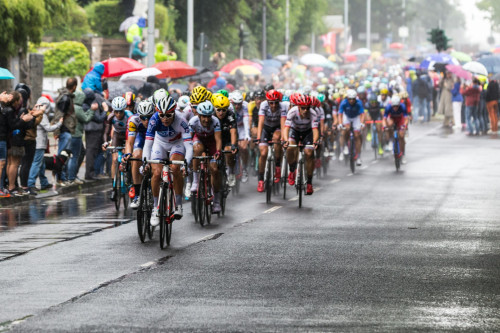
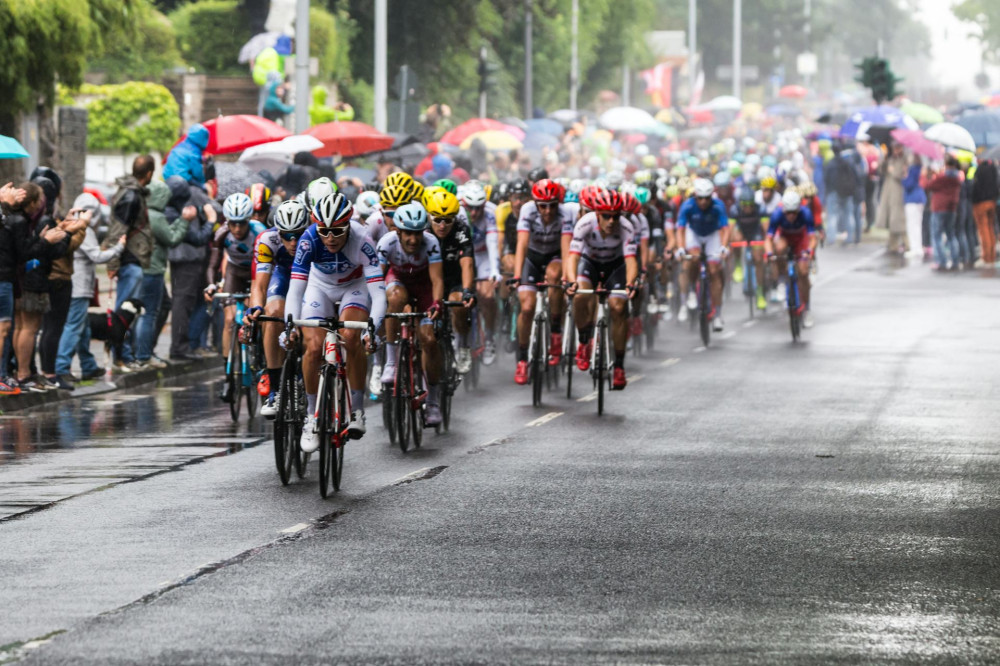
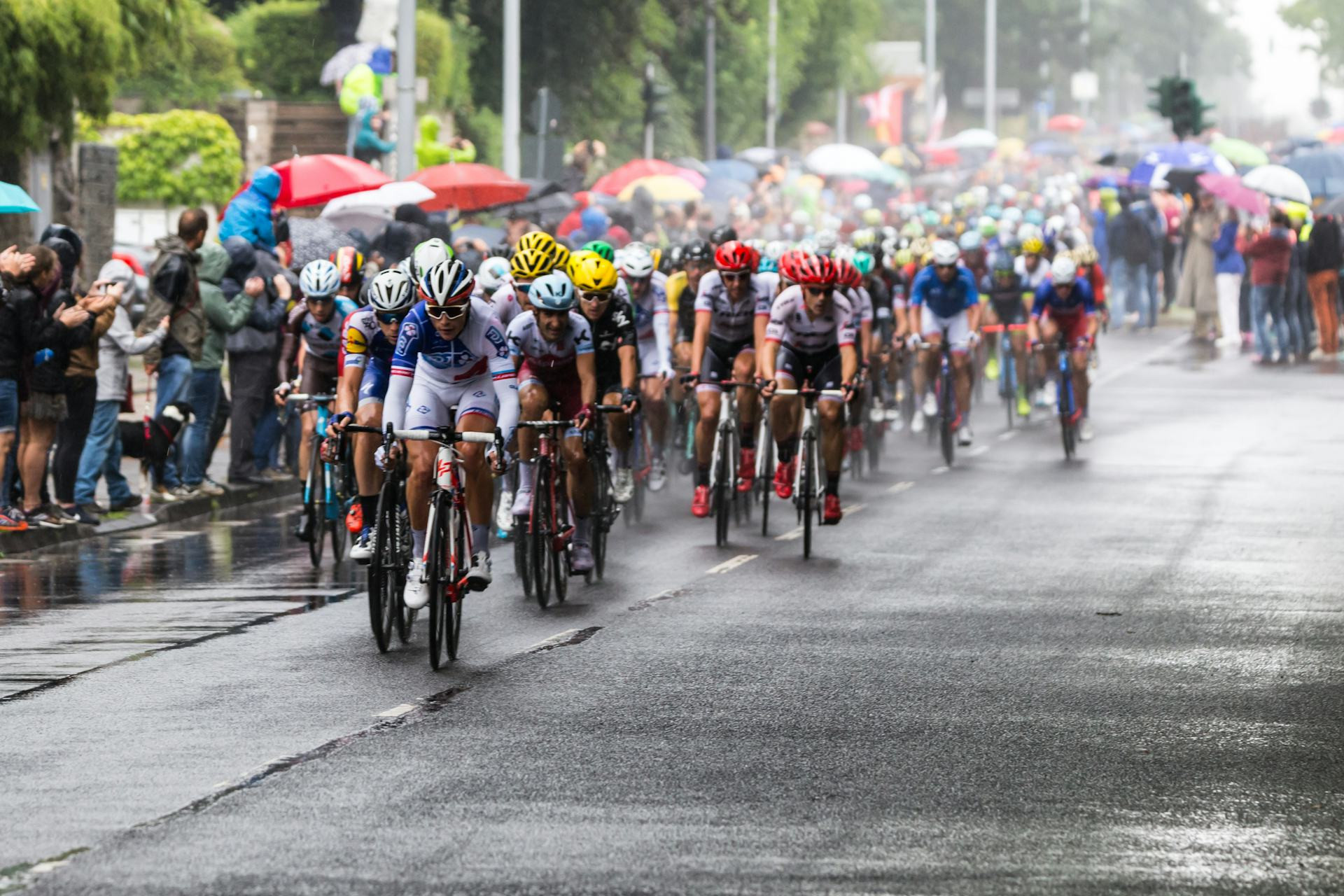
When the rain starts to fall, everything changes. Asphalt becomes slick, braking distances increase, and riders must balance courage with caution. On rough or gravel roads, rain can turn a race into a test of skill and nerve, where bike handling and experience matter more than raw power.

Teams now analyze road surface friction and combine it with data on tire pressure and temperature to find the optimal setup. What used to be a matter of instinct has become part of a scientific approach to race preparation and safety.

Data as a Decision-Making Tool

Modern cycling is a contest between data and intuition. GPS tracking, power meters, and meteorological models give teams an almost complete picture of how a race is developing. They can predict where crosswinds might cause splits and when a breakaway has the best chance of surviving to the finish.

Yet even with all this technology, riders still have to make split-second decisions. A sudden gust, a passing shower, or a rise in temperature can change everything. The ability to read the weather and react instantly remains one of the most valuable skills in the peloton.

When Nature and Strategy Collide

Wind and weather aren’t just background elements—they’re part of the game. For riders, it’s a constant battle against the elements; for team directors, a puzzle of data and decisions; and for fans, a reminder that cycling remains a sport where nature still has the final say.

Understanding how conditions affect race dynamics offers a deeper appreciation of the sport’s complexity. Every gust of wind, every drop of rain, and every degree on the thermometer helps write the story of who will stand on the top step of the podium.

Betting on esports: a new world of possibilities
Dive into the exciting world of esports betting. Learn about the latest trends, the most popular games to bet on and how to best navigate this fast-growing industry.
Get your e-book now
Odds Comparison in Cycling: Understanding Market Expectations
Discover how betting odds reveal insights into cycling performance and market perception
Tour de France
Tour de France
Cycling
Sports Betting
Odds Analysis
Market Insights
Professional Cycling
5 min
Odds comparison in cycling goes beyond wagering—it offers a window into how fans, analysts, and bookmakers assess riders’ chances. Learn how to interpret market expectations, understand the factors influencing odds, and use this knowledge to deepen your appreciation of the sport.
Greyson Carter
Greyson
Carter
Wind, Weather, and Data: How Conditions Affect Race Dynamics
How weather conditions and data insights shape the strategy and outcome of cycling races
Tour de France
Tour de France
Cycling
Weather
Sports Science
Data Analytics
Race Strategy
4 min
From crosswinds to temperature shifts, every element of the weather can change the rhythm of a race. Discover how cyclists and teams use data to turn unpredictable conditions into tactical opportunities and gain a competitive edge.
Giovanni Parker
Giovanni
Parker
Cycling Culture and Sports Betting: National Differences in Interest and Approach
How cycling traditions and betting habits reveal the cultural DNA of different nations
Tour de France
Tour de France
Cycling Culture
Sports Betting
International Sports
Cultural Differences
Lifestyle
7 min
From the fitness-driven streets of the United States to the passionate cycling heritage of France and Italy, this article explores how national attitudes toward cycling and sports betting reflect deeper cultural values. Discover how competition, community, and risk-taking intertwine across borders.
Hailey Evans
Hailey
Evans
Live Betting on Cycling – From Start to Finish Line
Experience the thrill of cycling races as they happen and learn how to make smart, real-time betting decisions.
Tour de France
Tour de France
Live Betting
Cycling
Sports Betting
In-Play Wagering
Betting Strategy
6 min
Discover the excitement of live betting on cycling, where every climb, sprint, and breakaway can change the odds. This guide takes you through the essentials of in-play wagering, from understanding race dynamics to developing winning strategies and betting responsibly.
Omar Richardson
Omar
Richardson
When Preferences Affect Cycling Odds: Learn to Think Objectively
Discover how emotions can distort your betting decisions and learn to see cycling with a clear, analytical eye
Tour de France
Tour de France
Cycling
Sports Betting
Objectivity
Decision Making
Psychology
2 min
Personal favorites and emotional attachments can cloud judgment when betting on cycling races. This article shows how to recognize your biases, rely on data, and develop an objective mindset that improves your odds and decision-making.
Omar Moore
Omar
Moore